Category: Travel

  • Luxury lodge Shakti Prana redefines slow travel in India

    Luxury lodge Shakti Prana redefines slow travel in India

    Perched at 7,000 ft in the Kumaon Himalayas, this lodge is the newest addition to the Shakti portfolio, cementing two decades of visionary mountain hospitality

    Getting to Shakti Prana requires commitment. From Delhi, the journey to the hotel begins with a short domestic flight to Pantnagar, followed by nearly six hours of winding mountain roads climbing steadily through the foothills of Uttarakhand, the first of several drives across a five- to seven-night programme that takes in traditional village stays on either side of Shakit Prana itself.

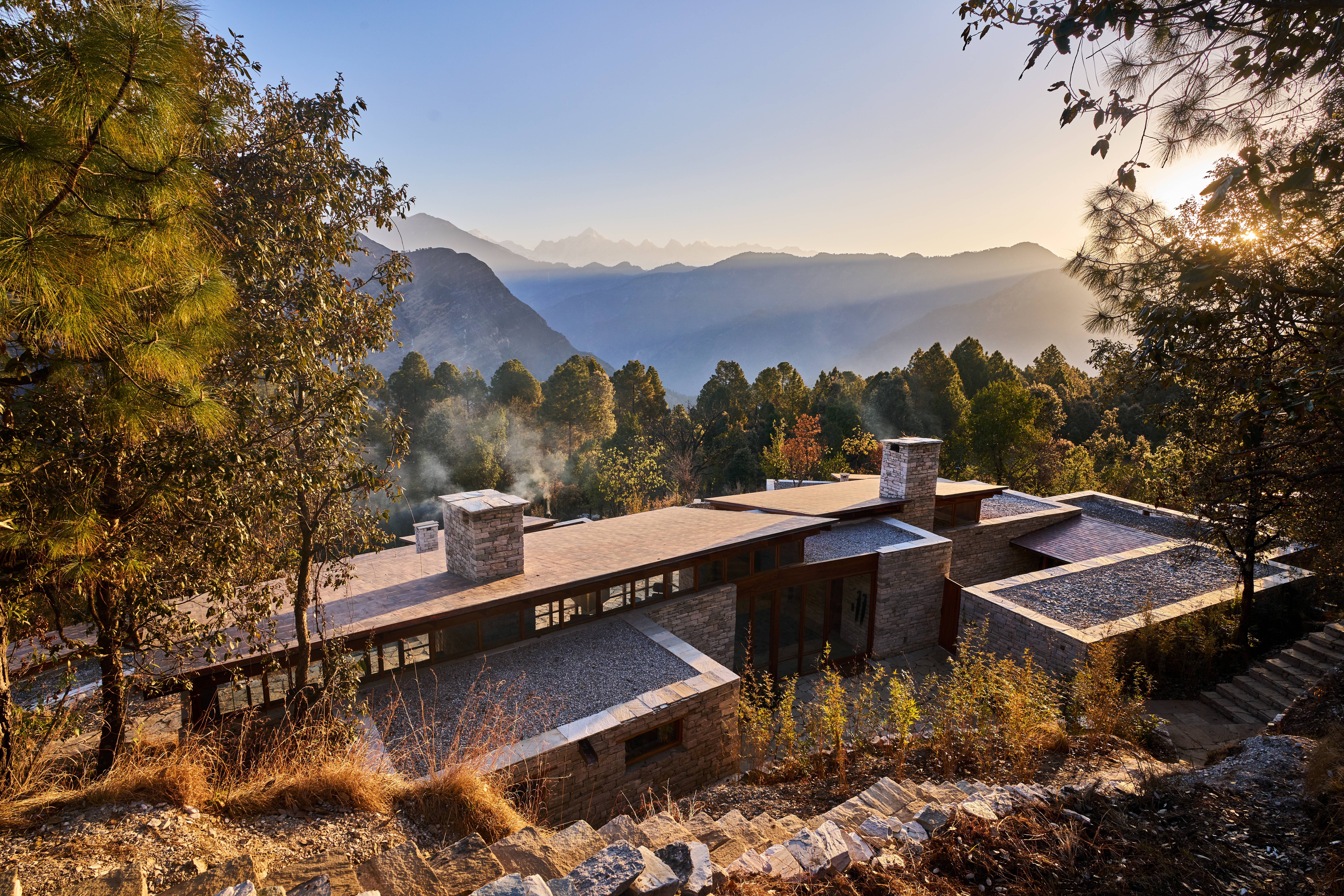
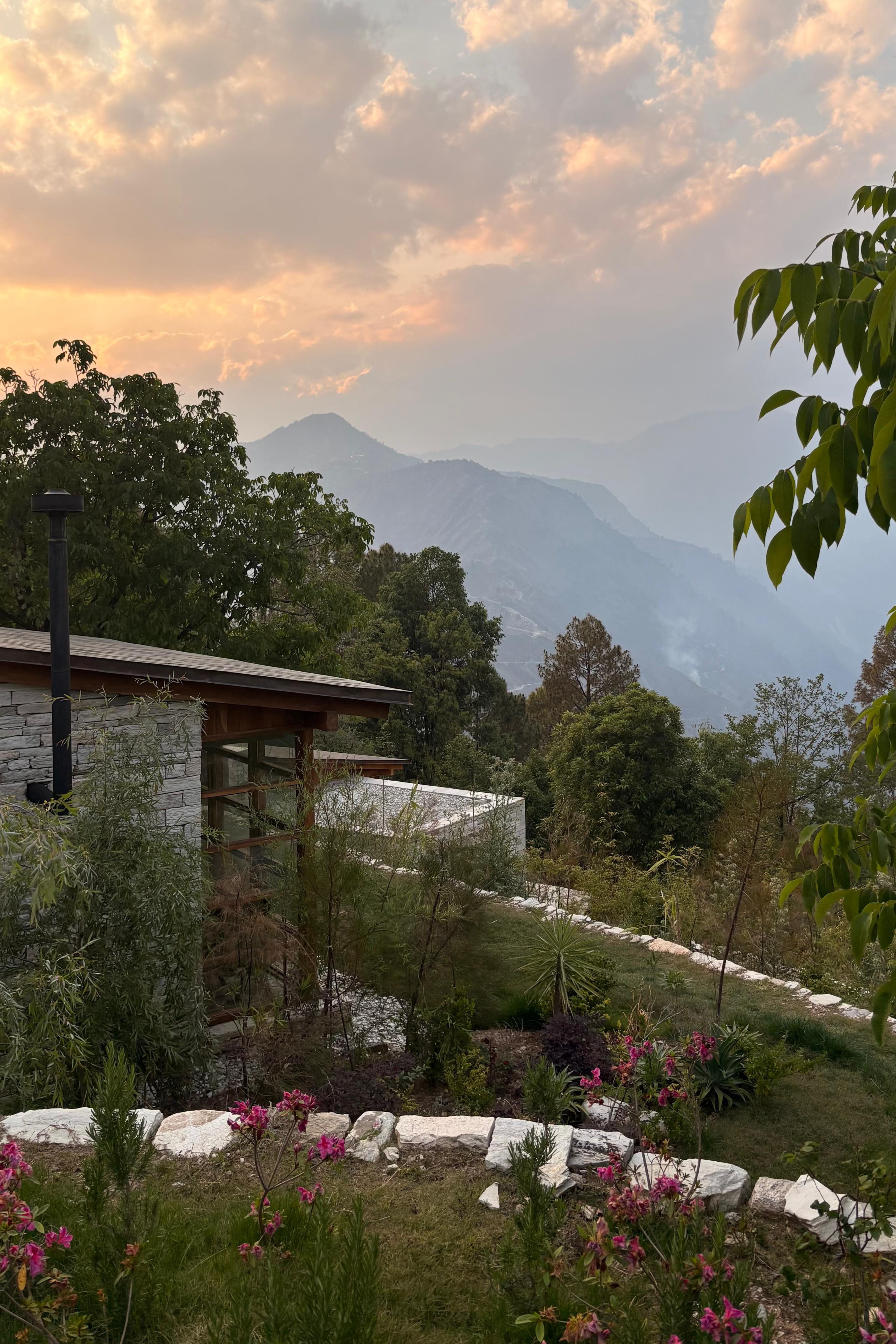
    Founded by Jamshyd Sethna over two decades ago, hospitality group Shakti Himalaya pioneered a form of luxury travel in the Indian Himalayas that was intimate and community-rooted, built around private walking journeys between restored traditional village houses in three distinct regions: Ladakh, Sikkim and Kumaon. Its most celebrated property, Shakti 360 Leti, helped define what mountain hospitality could look like when it opened 16 years ago, before being dismantled stone by stone in March 2024. Those same stones, carried by mule train 2,700 ft up a steep goat path, now form Shakti Prana, the brand’s newest and most ambitious lodge, with breathtaking views of the Nanda Devi and Panchachuli ranges.


    What’s on your doorstep?

    The walking around Shakti Prana is among the finest in the Kumaon region, and the beauty of the Shakti approach is that there is not a prescriptive programme. Each morning, over breakfast, you discuss the day’s route with your private guide – the distance, the terrain, the pace – and the plan is built around you, extending to picnic breakfasts on a bed of pine needles, arranged simply because it was mentioned the evening before. The standout is the Jhandi Dhaar ridgeline climb, a gradual ascent along a narrow pagdandi, the local word for a footpath, that follows the south-eastern ridgeline above the lodge through cedar and pine forests to open ridgetops with sweeping views across the Great Himalayan Range and the Ramganga river valley far below.
    shakti prana review

    Herds of goats, cows and sheep graze the upper slopes, moving unhurriedly across the hillside. For those wanting something more demanding, the Ramganga river walk descends steeply through jungle and village houses to the river itself, though the steep climb back up is best suited to the more agile and fit. The circuit runs from early October to the end of April, the autumn months offering lush scenery and clear skies, with winter bringing the sharpest mountain views.

    Who’s behind the design?

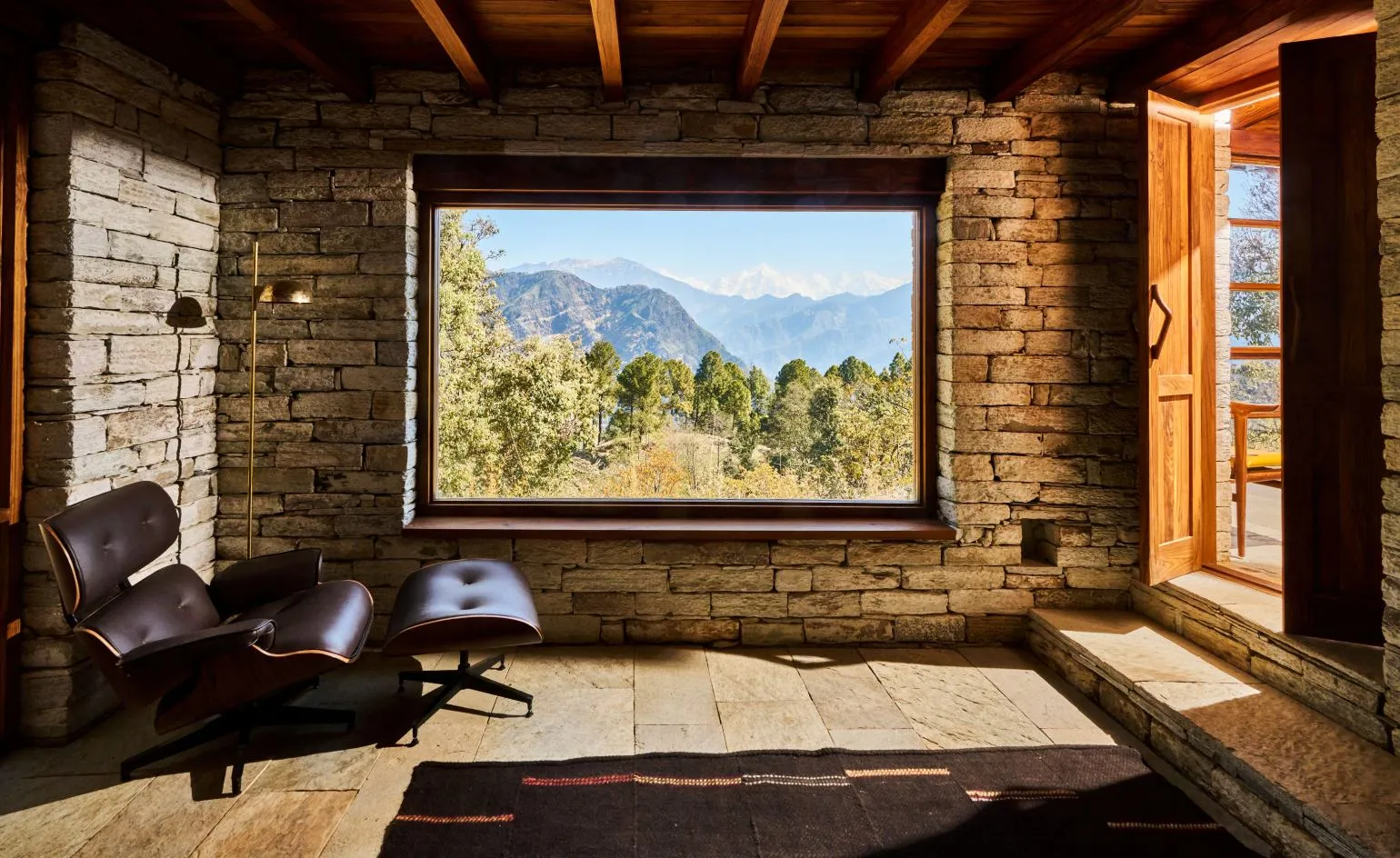
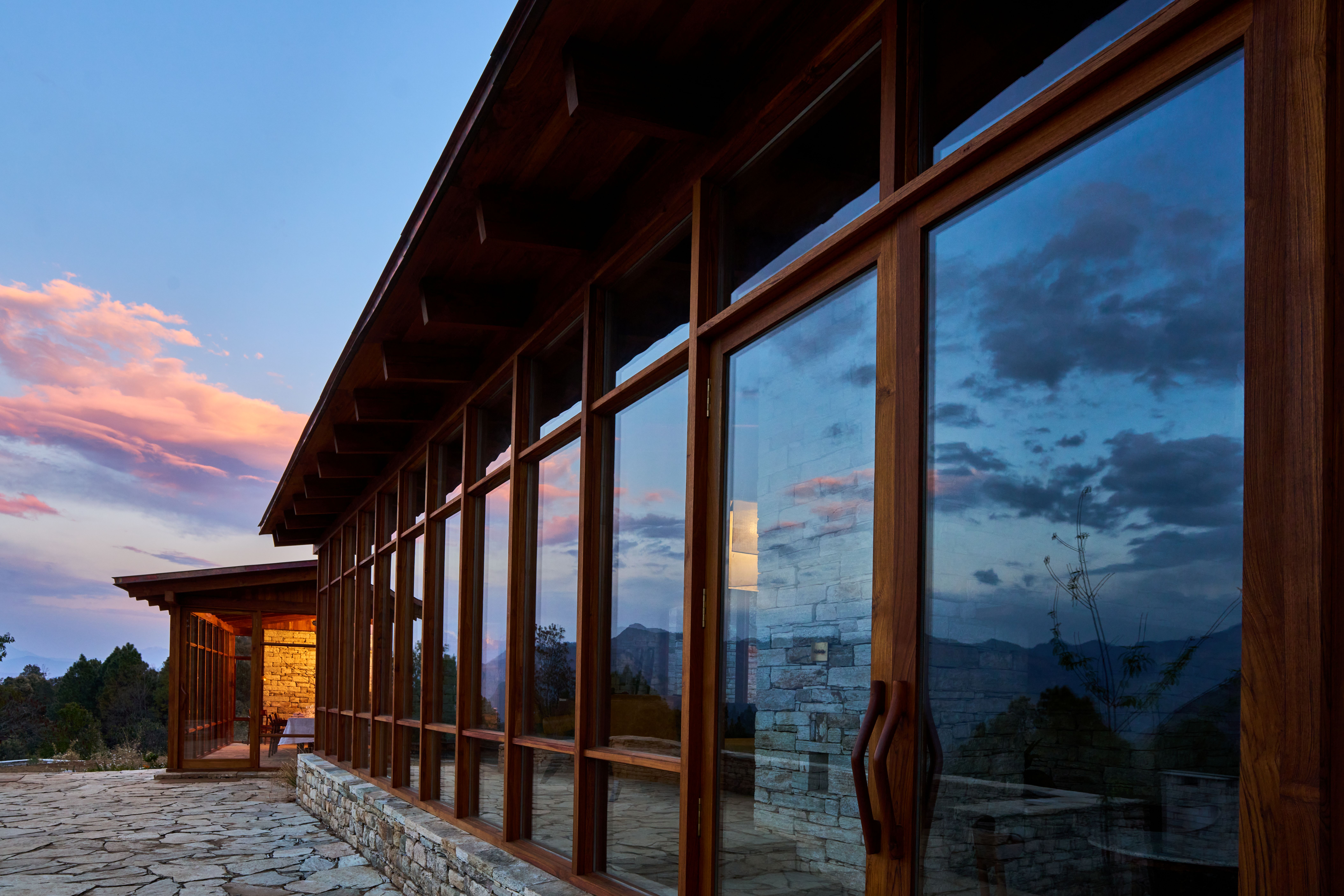
    The lodge’s architecture is the work of Sam Barclay of Case Designs, who had previously served as site manager on the Leti project and brought an intimate understanding of both the logistics in such a remote area and the character of the landscape, resulting in a lodge deeply rooted in its setting. Seven suites – six single-bedroom and one two-bedroom – are arranged across the hillside, built from stone and glass, their large floor-to-ceiling windows framing uninterrupted views of the Nanda Devi and Panchachuli ranges.
    shakti prana review

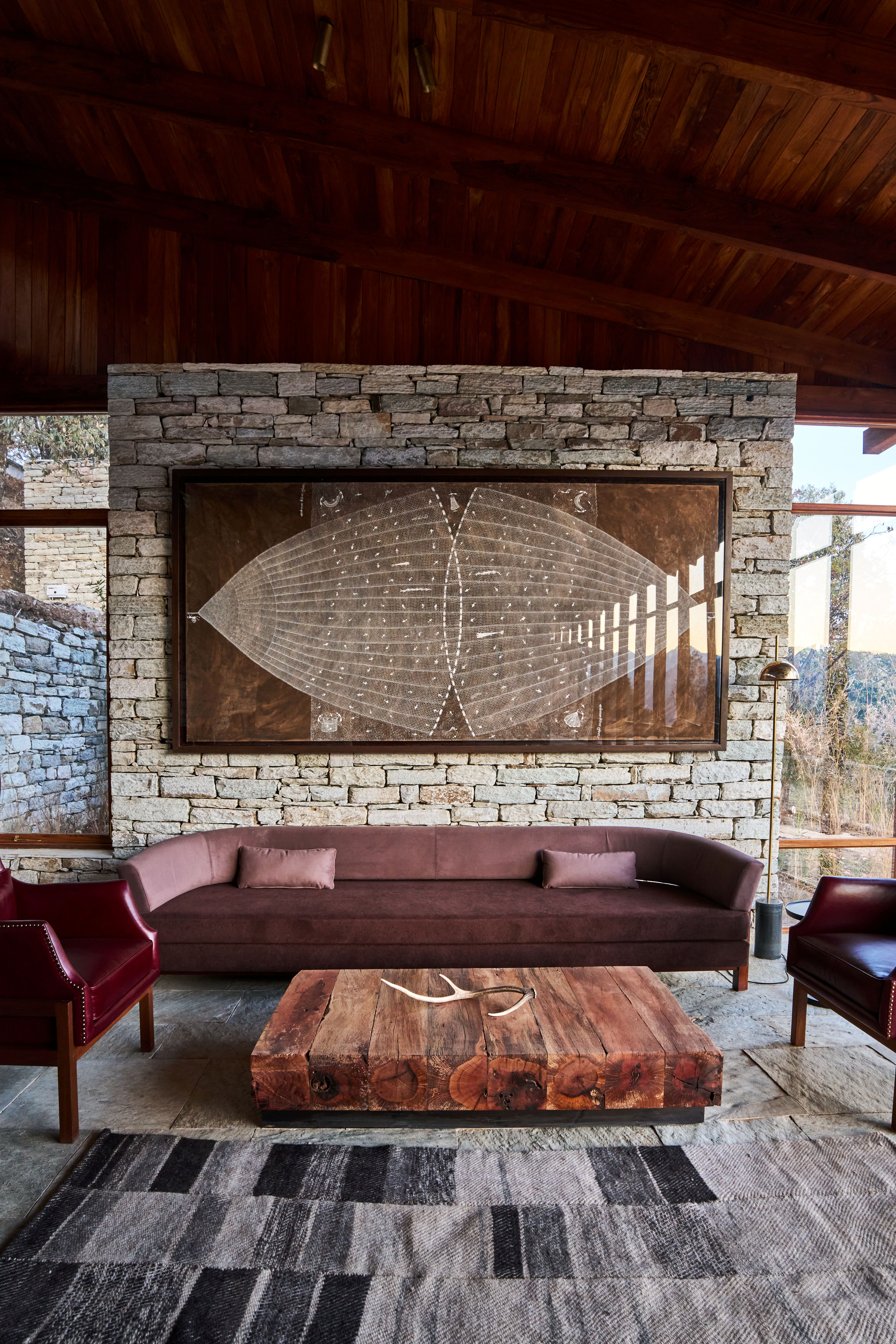
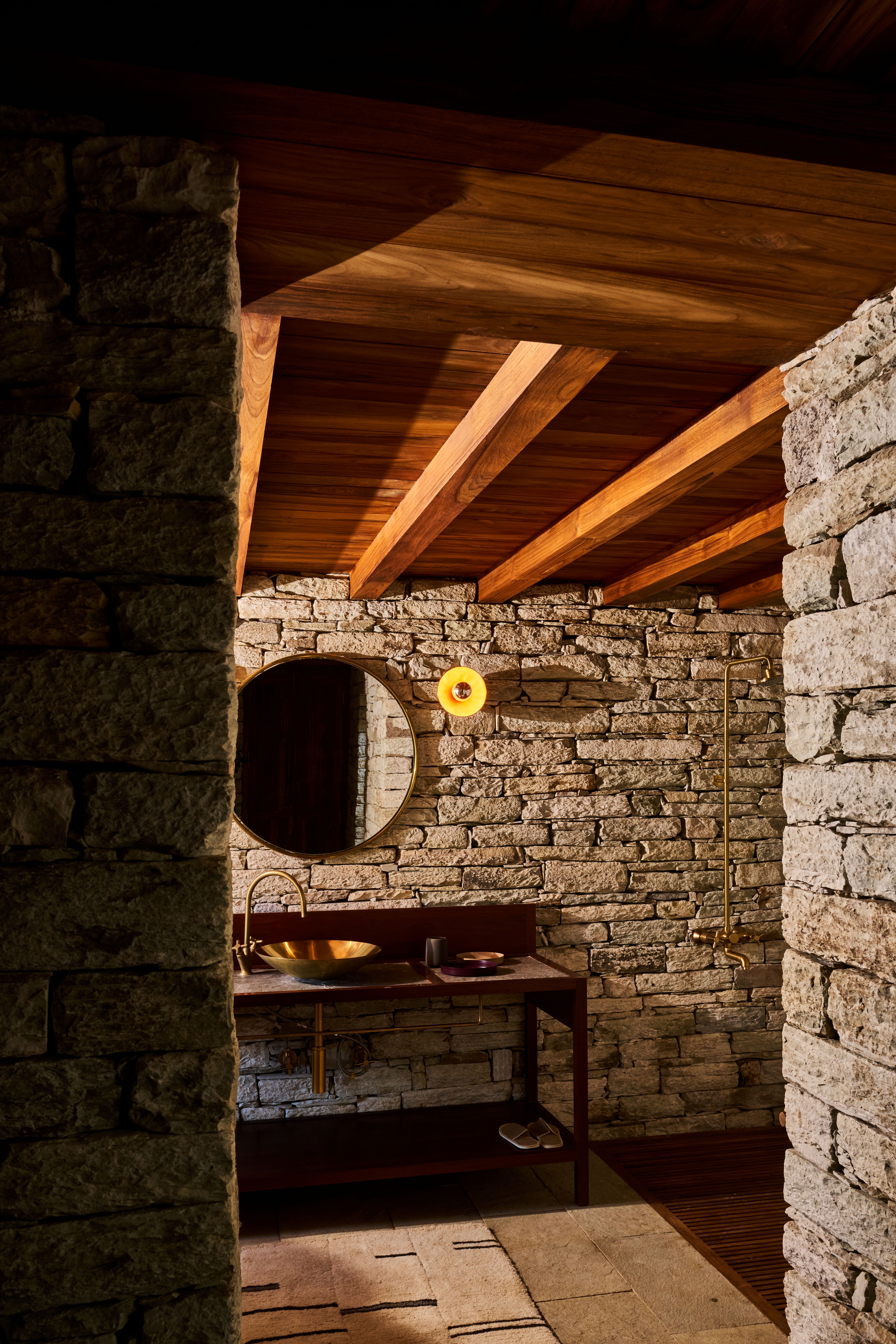
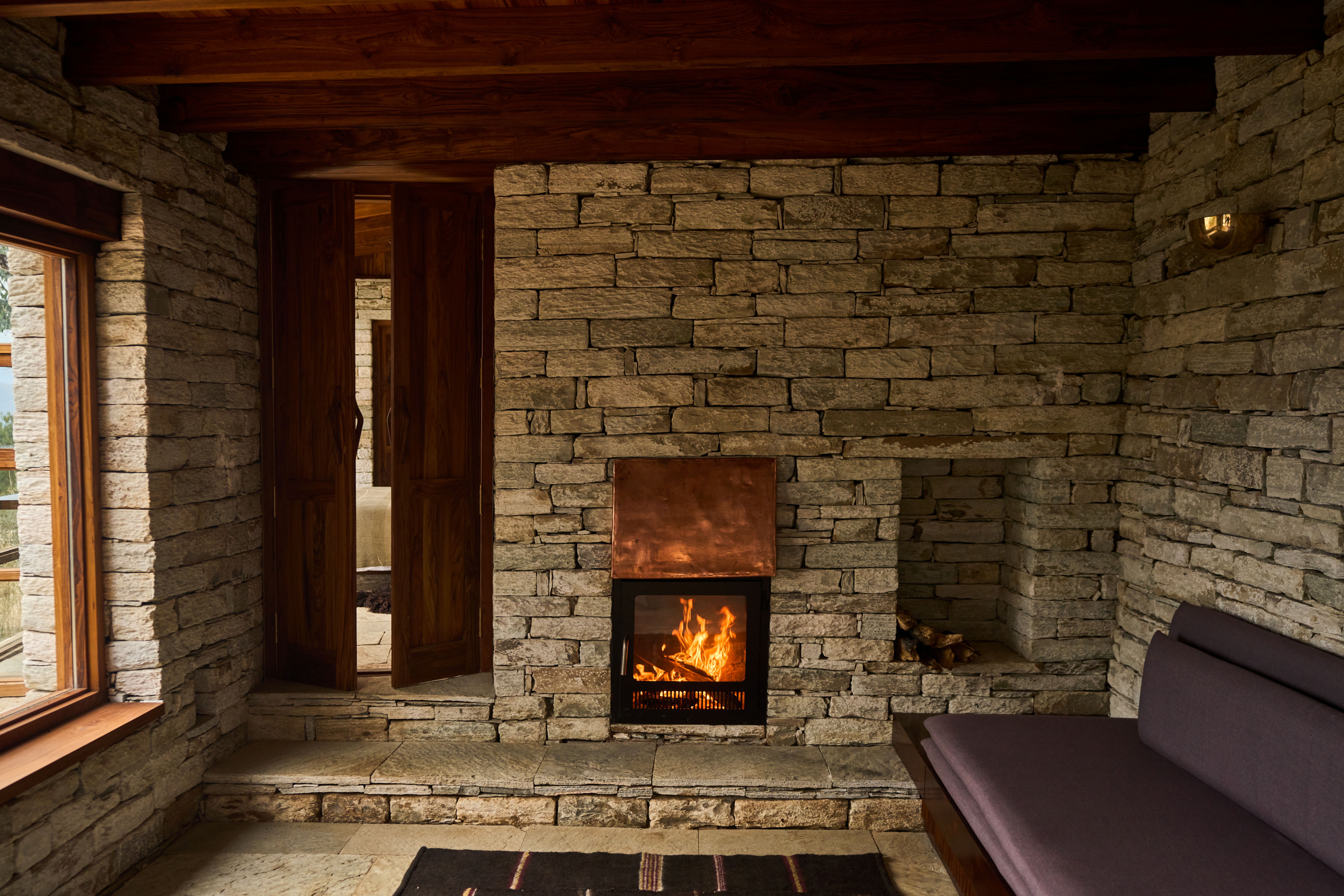
    Defined by stone, timber and copper, the interiors are warm and pared back with considered furnishings and local, textured fabrics. At 7,000 ft, bordering Nepal and Tibet, with solar power providing the entire electricity supply and spring water used for drinking throughout, the lodge operates lightly amid its environment.
    shakti prana review

    The room to book

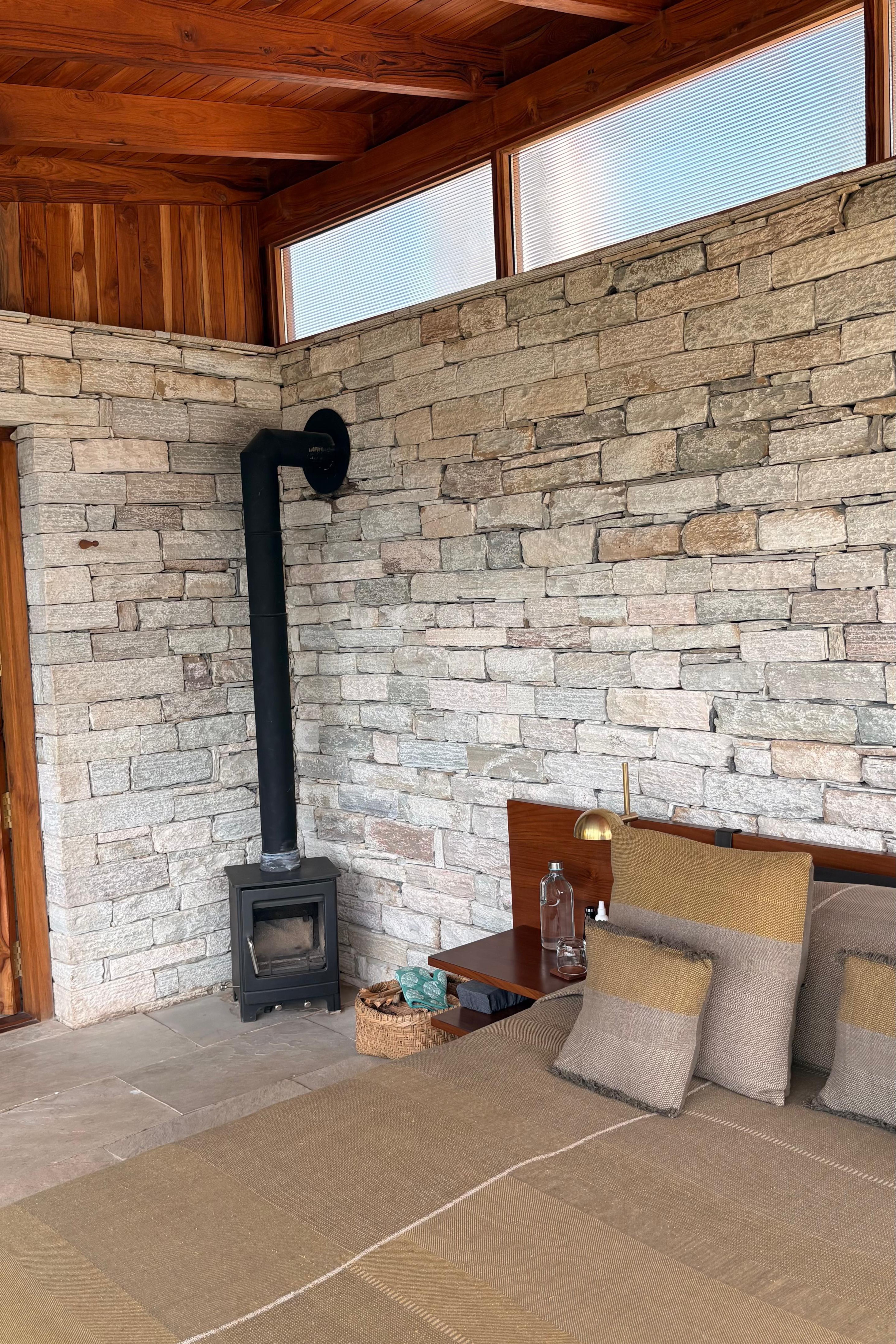
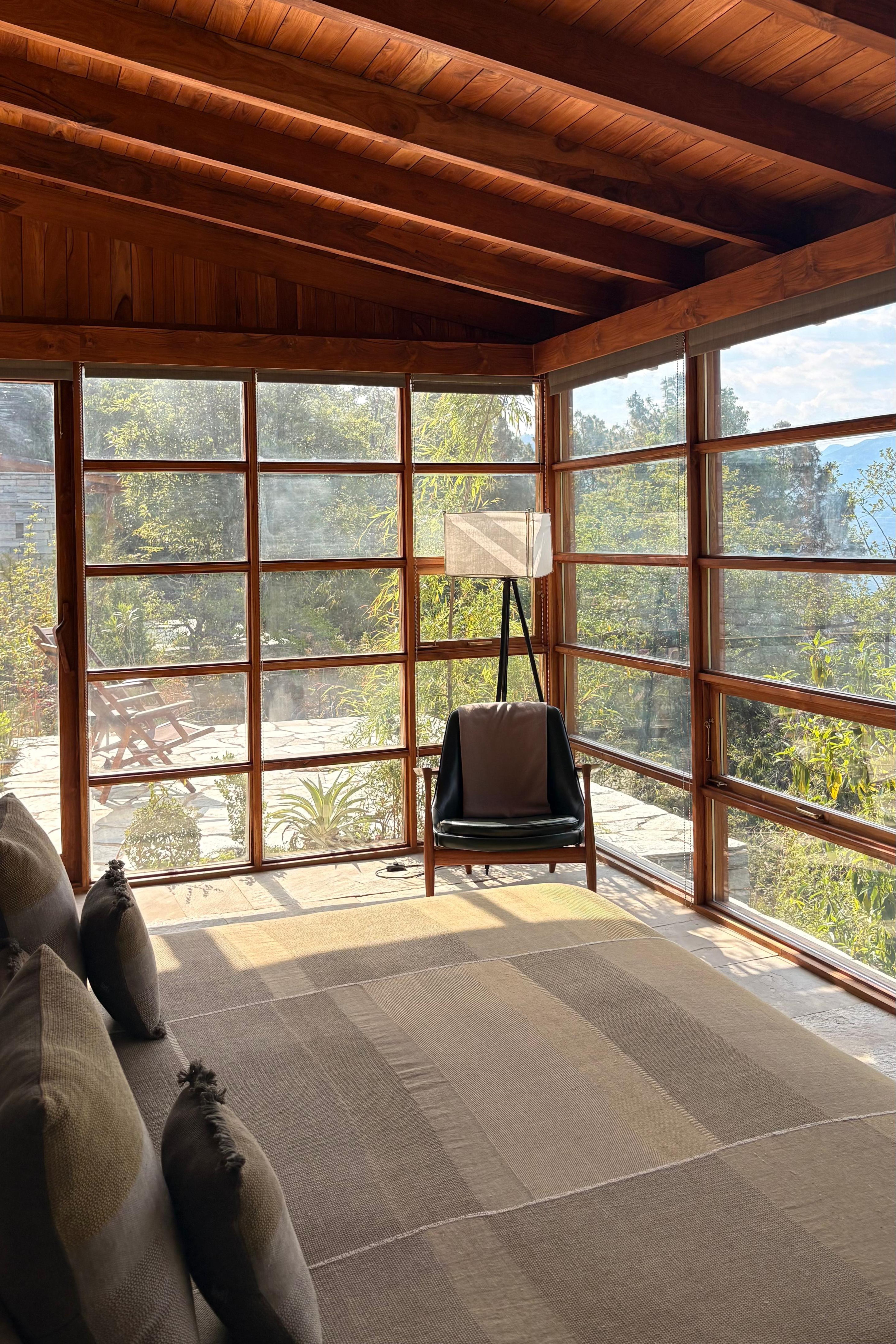
    All suites largely follow the same layout, so the choice comes down to position on the hillside. Each has its own perspective, and opens into a cosy sitting room anchored by a wood-burning fire, with an Eames-style lounge chair and built-in seating that takes in both the flames and the views. From here, the bedroom is positioned to face the mountains directly, while the bathroom sits to the rear, a small atrium flooding it with natural light. The room to book is number five, which sits nudged against the forest, and while all have their own private terrace, here it sits to the side, adding an extra run of windows and considerably more light to the room, a bonus for early risers given that the blinds are sheer.
    shakti prana review
    shakti prana review

    No doubt the best feature of the room is the service button by the bed. Press it and whatever has been arranged with the team arrives within minutes, from morning tea as the sun streams through those windows, to a glass of wine best sipped on the terrace next to the firepit at sunset. The day ends as well as it begins; return to your room after dinner to find the fire lit and a hot water bottle tucked between the sheets.
    shakti prana review

    Staying for drinks and dinner?

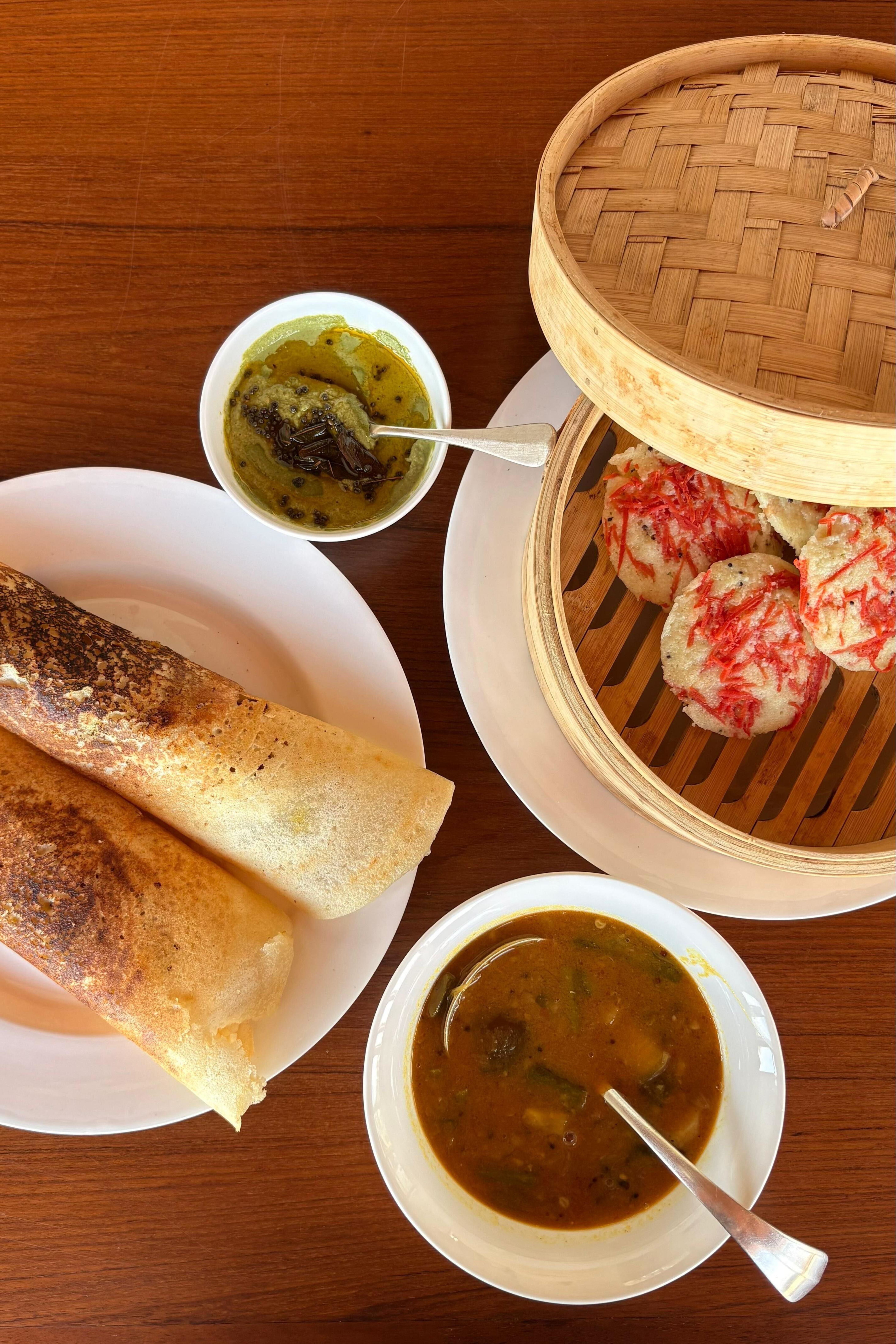
    The food at Prana is exceptional. Unlike many remote lodges, from Africa to Argentina, this one doesn’t try too hard. The cooking here – served family-style – is honest, rooted in what the surrounding villages and the lodge’s own herb and vegetable gardens produce. Leading the kitchen is Yeshi Lama, Indian-born with Tibetan heritage, whose cooking spans local Kumaoni dishes, broader Indian favourites like butter chicken, Burmese khowsuey – noodles in a coconut curry broth – and Nepali momos, a reminder of just how fluid the cultural borders are at this altitude.
    shakti prana hero

    Breakfast is usually Western, with fresh juice, granola and yogurt, alongside egg dishes cooked to order, but the kitchen is open to requests, among them spiced potato dosas, crispy and freshly made. After a long hike, lunch hits the spot with a good salad, mushroom pie or grilled chicken, while pre-dinner drinks on the terrace or by the living room fire arrive with canapés, from lamb kebabs to samosas, that set the tone for the evening ahead.

    Where to switch off

    At Prana, switching off requires very little effort. The nature, the setting and the peacefulness of the landscape are enough on their own, aided by the hikes, the village walks, and long hours spent reading on your private terrace. In between, you might make use of a yoga space, as well as a sauna and a deep-set bathtub that can be run hot or cold depending on your inclination, both positioned to look out over the hillside. Mobile signal is non-existent at the first village stop and limited at Prana itself, which only adds to the allure.
    shakti prana review

    The verdict

    Shakti Prana is, no doubt, one of the most remarkable properties to open in the Himalaya in years, and the Kumaon circuit that leads to it is among the most genuinely immersive travel experiences in India. The design is considered, the hospitality is warm and deeply personal, and the landscape is breathtaking. The caveat is that none of this comes easily. The journey from Delhi is long, the roads are winding, and the final approach is on foot. For those who see the remoteness as part of what makes an experience meaningful, Shakti Prana exceeds every expectation.
    shakti prana review
  • Bellaria Film Festival 2026: an edition which rewards a free cinema

    Bellaria Film Festival 2026: an edition which rewards a free cinema

    The 44th Bellaria Film Festival concluded on Sunday, 10 May, firmly establishing Bellaria as a key venue for contemporary independent cinema from Italy and abroad. It served as a vibrant hub for exploration, dialogue, and education, connecting writers, filmmakers, audiences, students, and industry professionals.

    Under the artistic leadership of Daniela Persico and the organisational guidance of Sergio Canneto, the 2026 festival reinforced Bellaria’s status as a pivotal location for new Italian cinema, deeply engaged with current cinematic trends, fostering the development of emerging talents while creating a genuine dialogue with a youthful, engaged audience. This audience not only attended screenings but also participated in numerous discussions, masterclasses, and industry events. The 2026 edition witnessed a rise in accredited attendees, exceeding 1,000, including directors, producers, industry insiders, journalists, film critics, and students. Overall attendance reached 19,000, with 75% of the audience under 35, and ticket sales increased by 20% during the festival’s five days. Bellaria Igea Marina evolved into a significant platform for contemporary cinema, showcasing over 60 films and hosting numerous prominent national and international guests, such as visiting director Romeo Castellucci, Gaspar Noé, Francesco Sossai, Saverio Costanzo, Francesco Munzi, Tizza Covi, Rainer Frimmel, Margherita Vicar, Nicole and Valentina Bertani, and Angela Schanelec, among others.

    This edition also represented a significant milestone in the festival’s history and the city’s cultural landscape with the public reopening of the Cinema Apollo, which returned to the community after more than twenty years, quickly becoming a focal point of the festival. This symbolic venue hosted screenings, discussions, and the Ciao Musica installation by Yuri Ancarani, reinforcing the notion of the Bellaria Film Festival as a cultural bastion that extends beyond a single event. BFF Industry, the programme aimed at industry professionals, saw strong engagement, supported by Cinecittà and led by Sergio Canneto with Maria Bonsanti as Head of Studies. This aspect confirmed the festival’s role as a supportive environment for the evolution of new Italian cinema. Key initiatives included (IN)EMERGENCY, which provides assistance to young writers and producers in post-production, along with Itineranze Doc and Docs4Real, focusing on new forms of documentary cinema. The festival also engaged younger generations, with around a thousand students attending BFF for School screenings, while masterclasses, discussions, and events transformed the festival into a vibrant space for ongoing dialogue about cinema and its evolution.

    The success of this edition was made possible by the support of the Directorate General Cinema and Audiovisual of the MiC and Undersecretary Lucia Borgonzoni, the Emilia-Romagna Film Commission, the Hera Group, the San Patrignano community, MUBI, and all sponsors, partners, and collaborators who contributed to the 44th Bellaria Film Festival.

  • European Sleeper launches new night train to Switzerland and Milan from September 2026

    European Sleeper launches new night train to Switzerland and Milan from September 2026

    First departure from Brussels and Amsterdam on Thursday , 18 June 2026

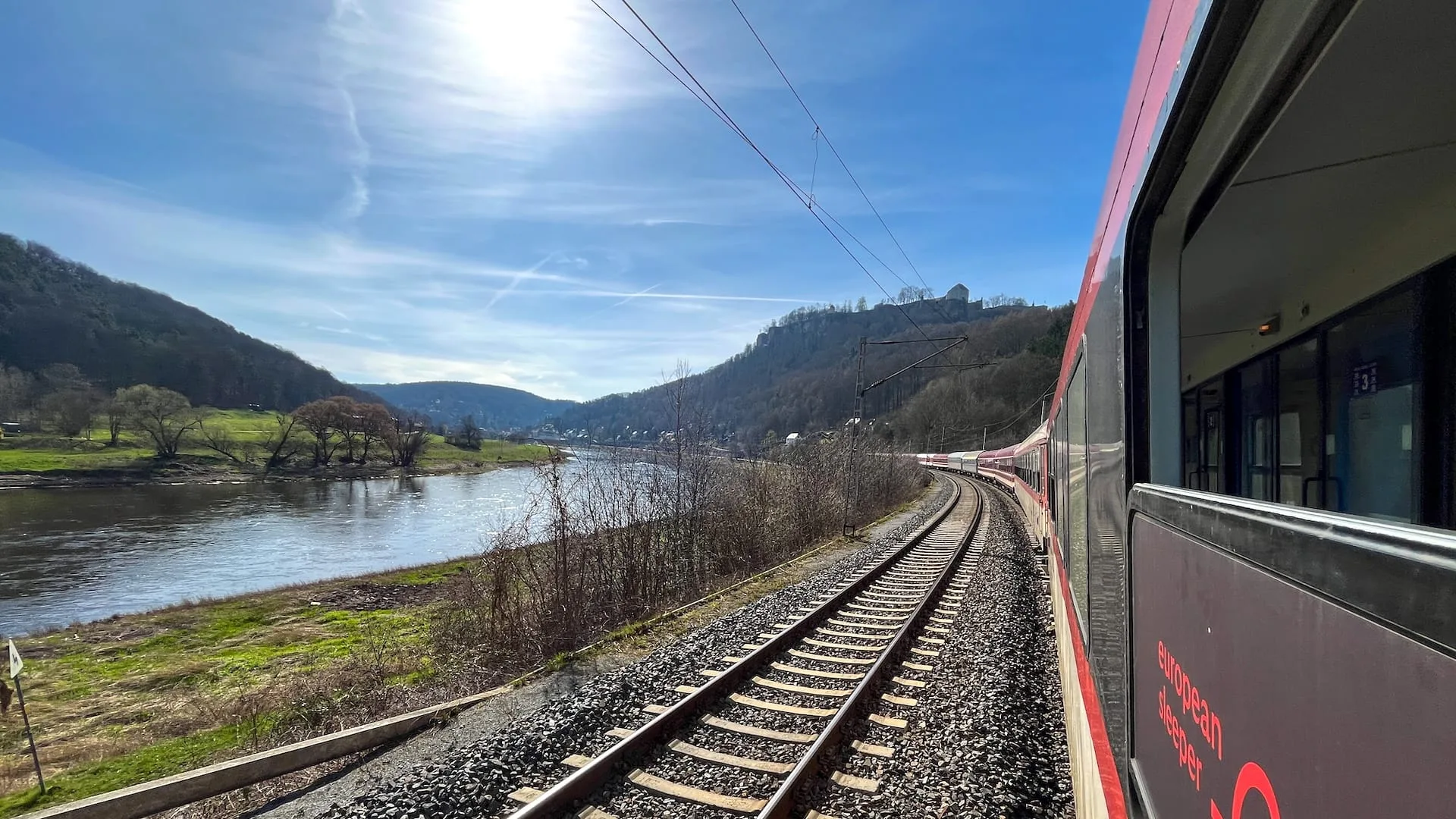
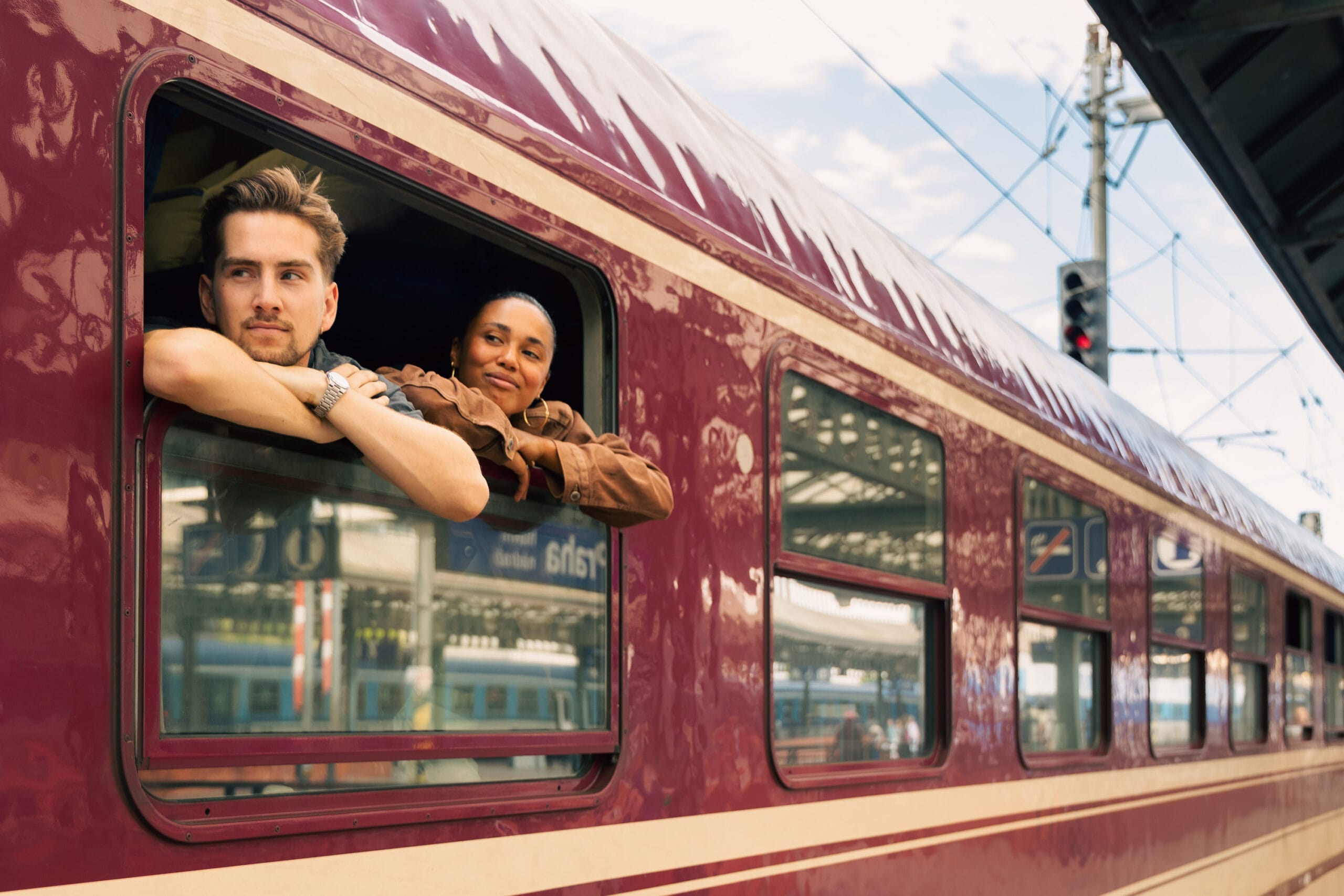
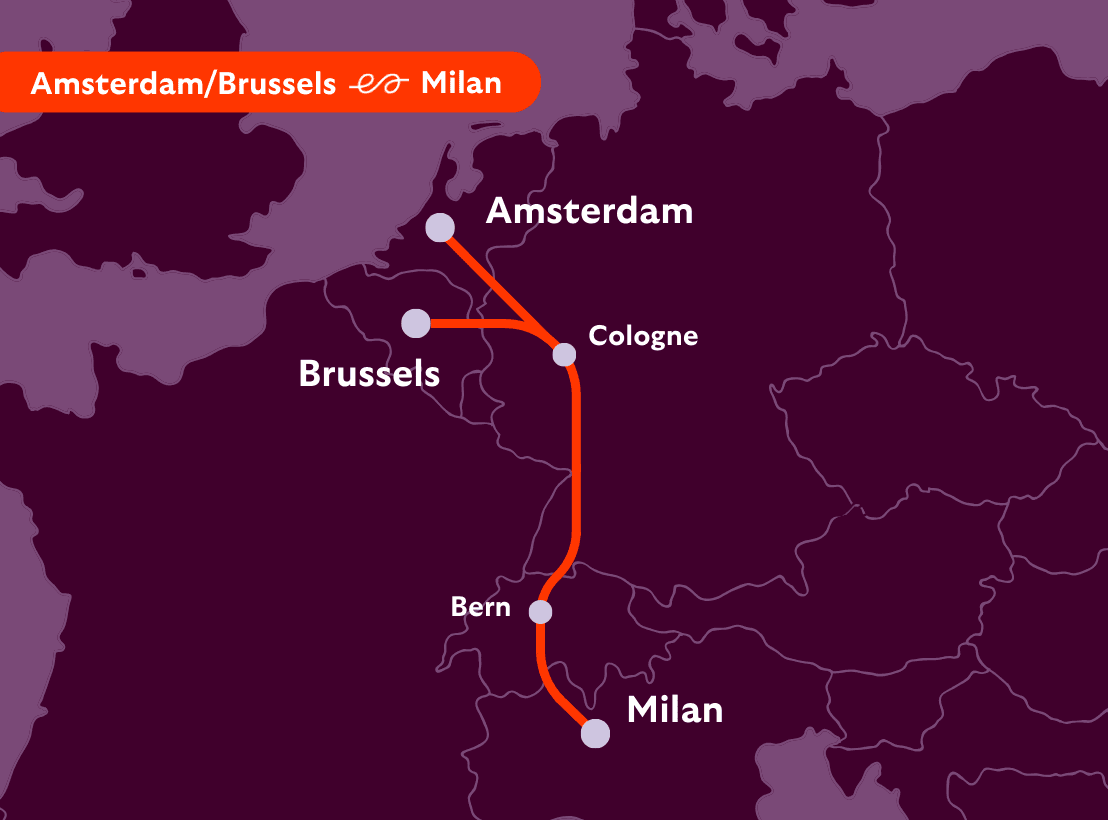
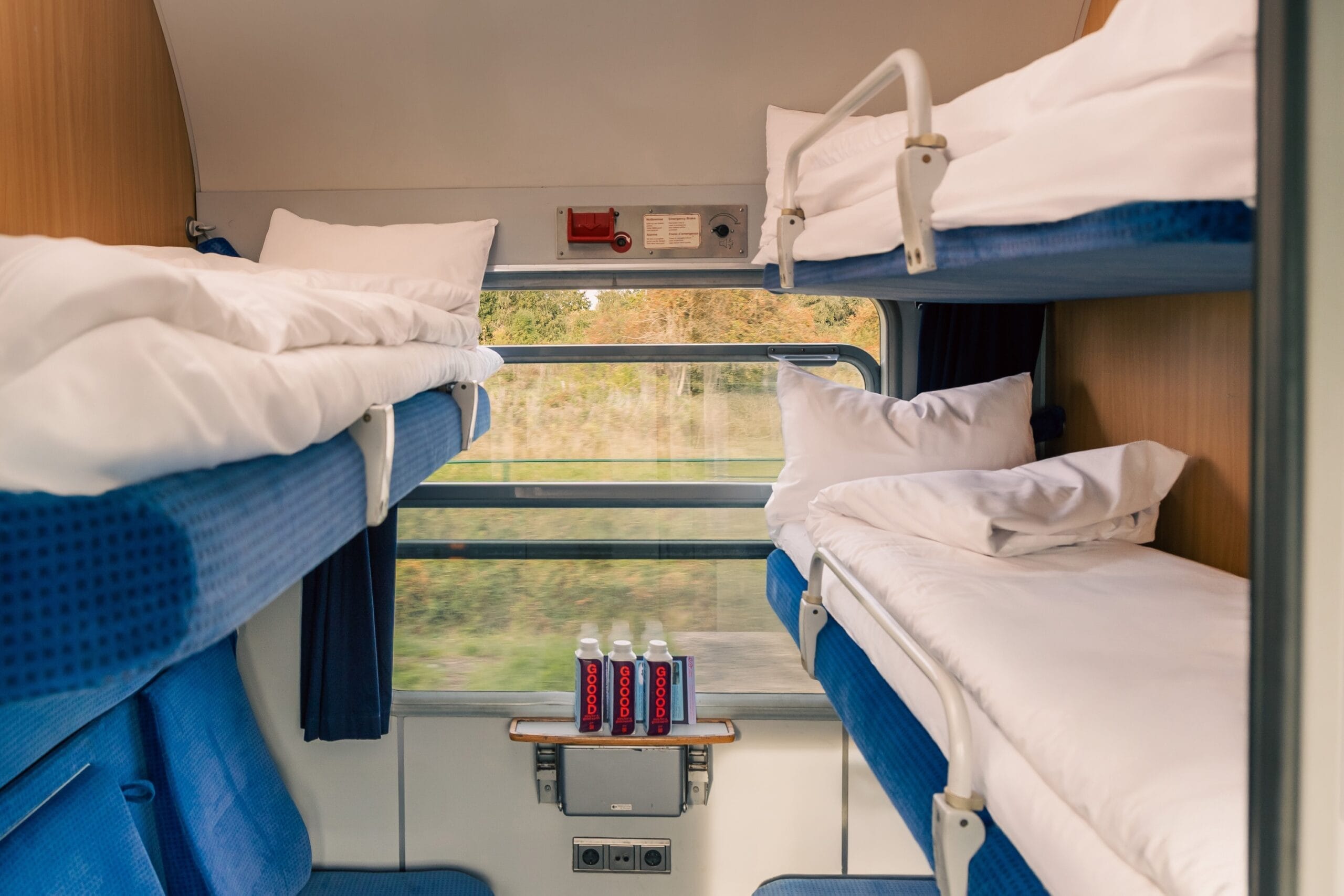
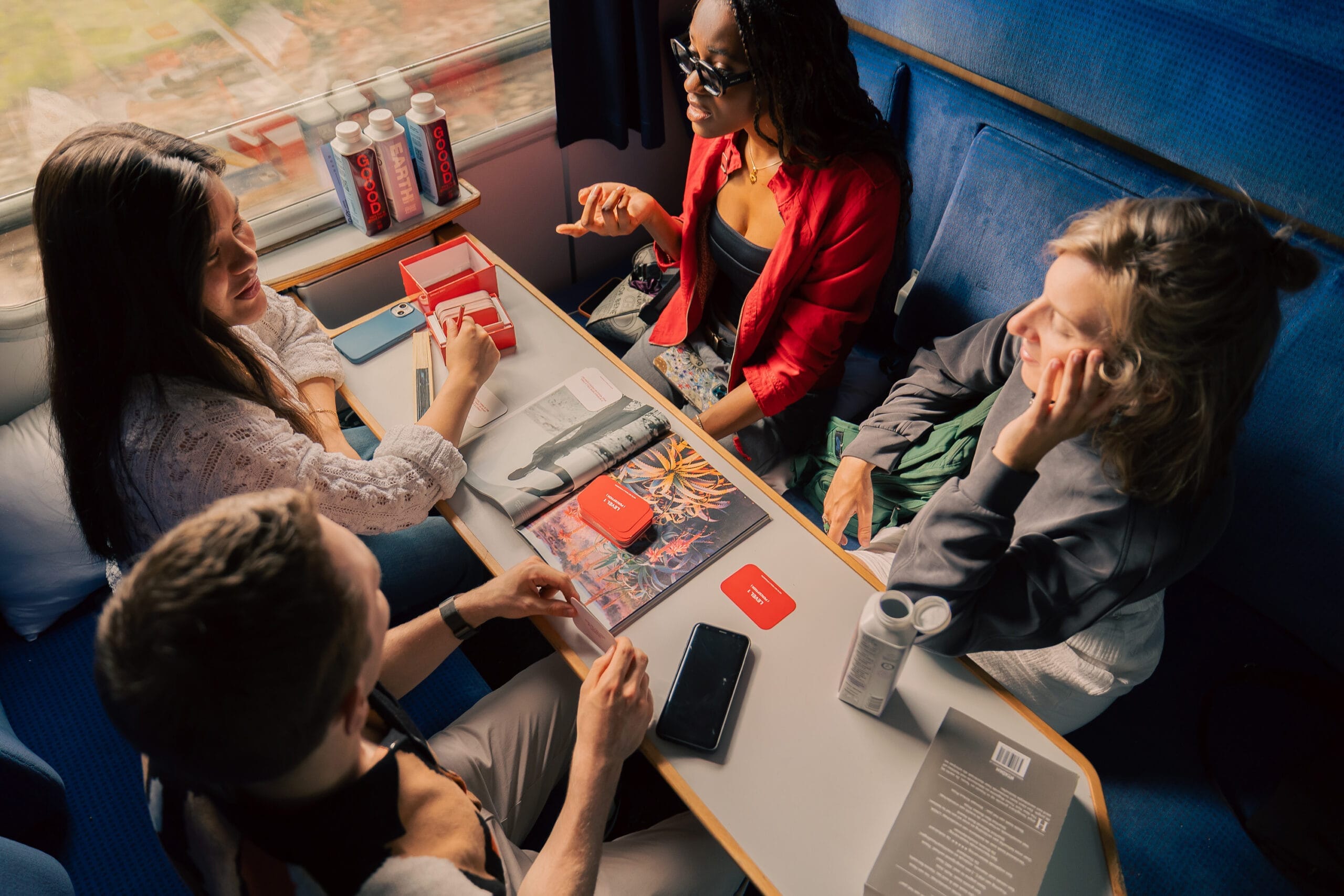
    A new overnight sleeper train will link Brussels and Amsterdam with Milan via Switzerland from next summer, offering a direct rail connection between Belgium and the Netherlands with northern Italy, rewarding travellers with both scenic and sustainable long-distance routes. The Belgian-Dutch operator European Sleeper has announced that the service is scheduled to begin on 18 June 2026, with departures three times a week from both capitals. 

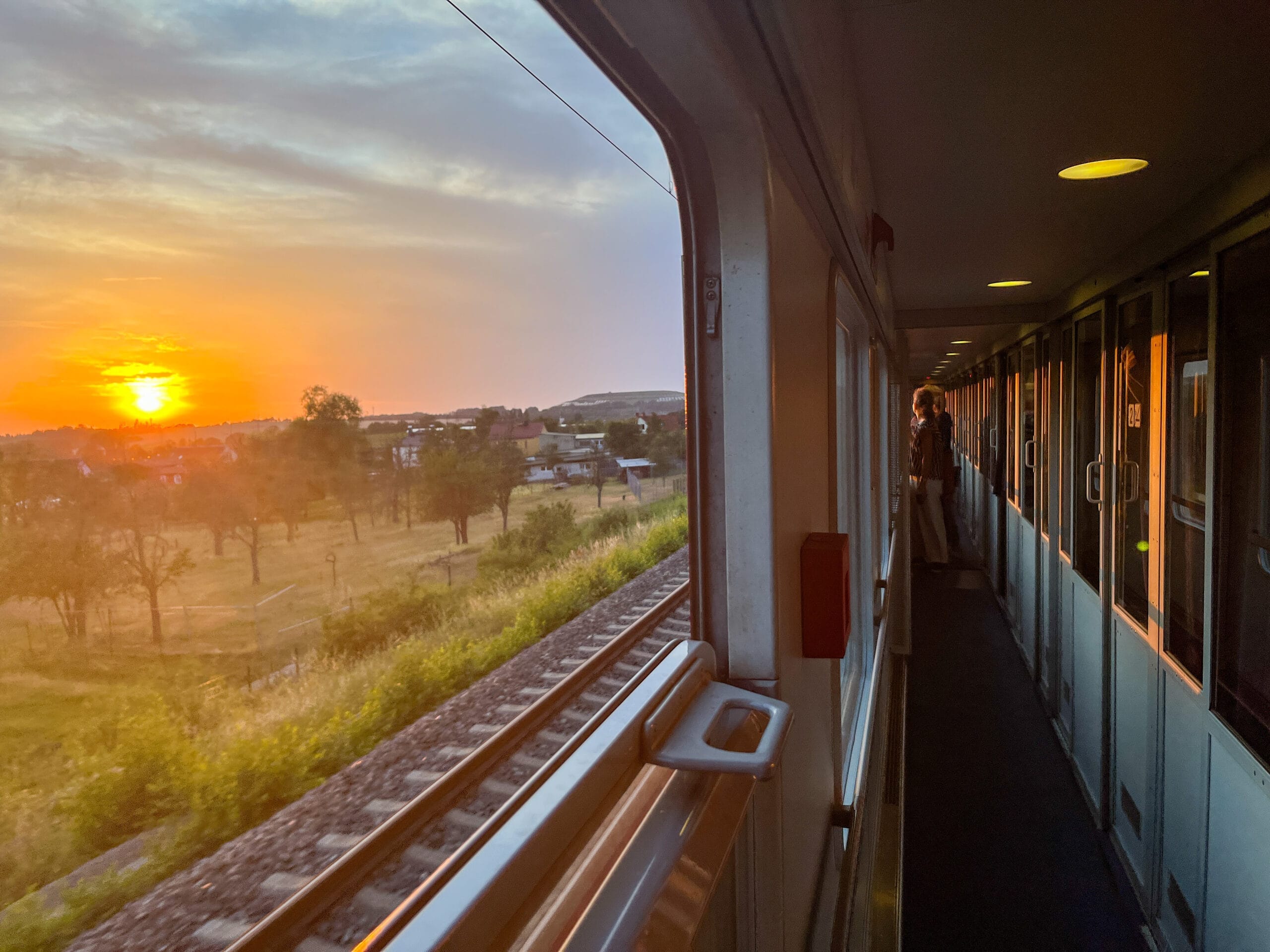
    The route will carry passengers south through Germany and Switzerland before reaching Italy, creating an essential north-south rail corridor that European Sleeper said will allow travellers to enjoy “inspiring morning and evening views of alpine valleys and serene lakes along the way.” 

    Trains from Brussels and Amsterdam will depart in the evening on Mondays, Thursdays, and Saturdays, meet in Germany, and continue via key stops, including Cologne, Bern, and Brig in Switzerland, and Stresa on the shores of Lake Maggiore, finally terminating in Milan the following morning. Return journeys from Milan are planned for Wednesdays, Fridays and Sundays. 

    Switzerland and northern Italy stand out as notable places on the route, attracting travellers interested in mountain adventures, exploring cities, enjoying lakeside activities or taking part in winter sports. The overnight link will follow the historic Simplon route, a classic Alpine corridor that has long been prized for its dramatic scenery and breathtaking landscapes. 

    The total journey is expected to take about 15 hours, with trains departing Amsterdam around 19:00 local time and arriving in Milan before 10:00 the next morning, although precise arrival times in Italy have yet to be confirmed. European Sleeper has reported plans to attract both leisure and business travellers with competitive pricing, with one-way fares for a berth in a shared coupé expected to start at around €80. The company has yet to finalise exact timetables with national rail network operators, and ticket sales are expected to begin in January or February 2026. 

    The new service is part of European Sleeper’s broader expansion of cross-border night trains. The company already operates overnight routes from Brussels to cities including Berlin, Dresden and Prague, and runs seasonal connections to the Alps and Venice. It also plans to launch a Paris-Berlin night train in March 2026. However, the company has pushed back its proposed night-train link to Barcelona until 2027 or 2028.

    If the project stays on schedule, the new Brussels to Milan night train will provide a significant connection across Western Europe’s rail network, linking major urban centres with scenic Alpine landscapes. The service will further the growth of long-distance rail travel on the continent, as more travellers increasingly look for environmentally friendly alternatives to short-haul flights. 

    Invest in European Sleeper

    Invest in Europe’s next great night train connection. European Sleeper is expanding! Next year, our new Paris–Berlin route will connect two of Europe’s most iconic capitals. To make this happen, we have made shares available to the public: a unique opportunity to support the growth of Europe’s night train network and share in its success. Hop on board the Good Night Train. Click here for more information.