Author: persuader

  • Royal opening of the Holland Festival in Koninklijk Theater Carré!

    Royal opening of the Holland Festival in Koninklijk Theater Carré!

    King Willem-Alexander and Queen Máxima are set to grace the opening performance of the Holland Festival 2026 Amsterdam in the vibrant city of Amsterdam on the evening of Wednesday, 3 June. This prestigious event will take place at the iconic Koninklijk Theater Carré, a venue renowned for its rich history and stunning architecture. Attendees will be treated to two remarkable compositions by the acclaimed composer Huang Ruo: City of Floating Sounds and Shattered Steps.

    The opening performance promises to be a groundbreaking experience, commencing with a unique musical walk towards Carré. Participants will engage in an orchestral performance, streamed through their smartphones as they navigate the city. This innovative approach allows the music to evolve as various groups converge, creating a rich and dynamic soundscape that is unique to the journey each participant takes. The auditory experience is shaped not only by the path you choose but also by the people you encounter along your route, transforming the city itself into an interactive stage where you become an integral part of the performance.

    Upon arrival at Carré, the musical journey will continue as the sounds experienced via the app come to life, performed by the illustrious Flanders Symphony Orchestra. Following this immersive performance, the festival will officially commence with the much-anticipated Shattered Steps, a piece that draws inspiration from Huang Ruo’s captivating vocal improvisations.

    This is an event that you simply cannot afford to miss. Join us and immerse yourself in this extraordinary musical experience that promises to be both moving and memorable. There are still tickets available for this unique event, so don’t hesitate! Walk, listen, and truly experience the magic of the Holland Festival!

    🎶 Order your tickets here: https://lnkd.in/e7zavhKV

    #hollandfestival #opening #cityoffloatingsounds #carre

    Exploring the Holland Festival 2026 Amsterdam

    To further enrich your experience, it is worth noting that the Holland Festival 2026 Amsterdam is not merely a showcase of performances; it is a celebration of the arts that brings together diverse artistic expressions from around the globe. Each year, the festival features a variety of genres, including theatre, dance, music, and visual arts, making it a vital platform for both established and emerging artists. The festival aims to foster creativity and innovation, encouraging audiences to engage with art in all its forms.

    This year’s festival theme, ‘The Sound of the City’, resonates profoundly with the essence of urban life and the myriad sounds that accompany it. As you walk through the streets of Amsterdam, you will encounter the city’s rich tapestry of sounds—from the chatter of locals at café terraces to the rhythmic pulse of traffic. Each sound contributes to the vibrant atmosphere of the city, echoing the festival’s commitment to highlighting the importance of sound in our everyday lives.

    In preparation for this grand event, the festival has collaborated with local artists and organisations to ensure that the performances are not only of the highest quality but also deeply rooted in the cultural fabric of Amsterdam. The inclusion of local talent in the programme showcases the city’s artistic heritage while providing a platform for new voices to shine. This collaborative spirit is what sets the Holland Festival 2026 Amsterdam apart, making it a unique cultural phenomenon that attracts visitors from around the world.

    Moreover, the festival has integrated various educational initiatives to engage the community and foster a deeper understanding of the performing arts. Workshops, discussions, and interactive sessions will be held throughout the festival, providing opportunities for audiences to connect with artists and learn more about their creative processes. This educational aspect enhances the overall experience and ensures that the festival serves as a catalyst for cultural exchange, dialogue, and inspiration.

    As the anticipation builds for the opening night, audiences are encouraged to explore the festival programme in detail to discover the wealth of performances and events on offer. With such a diverse array of talent and artistry, the Holland Festival 2026 Amsterdam promises to be an unforgettable celebration of creativity and expression that captures the spirit of Amsterdam and its vibrant cultural scene.
  • Luxury lodge Shakti Prana redefines slow travel in India

    Luxury lodge Shakti Prana redefines slow travel in India

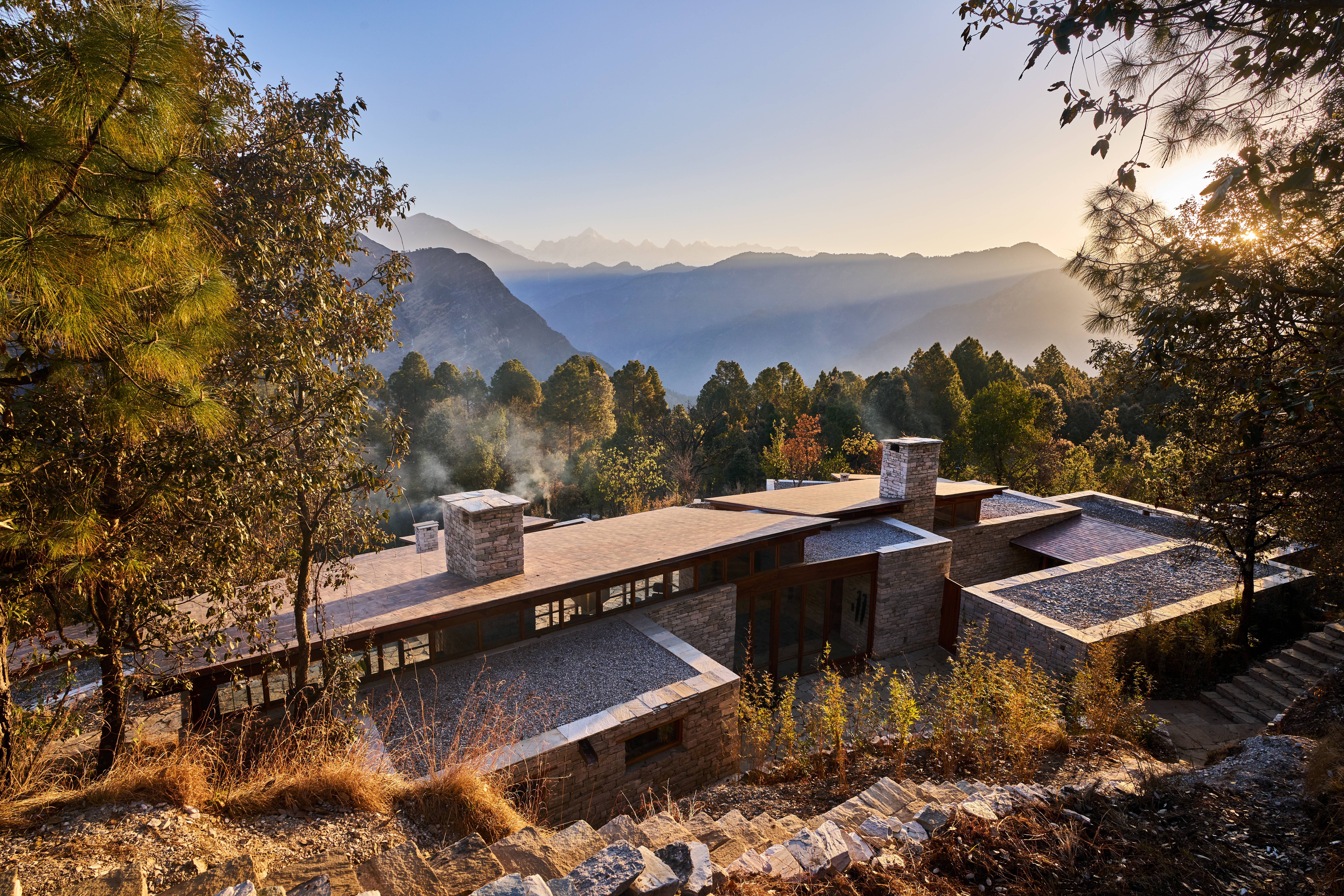
    Perched at 7,000 ft in the Kumaon Himalayas, this lodge is the newest addition to the Shakti portfolio, cementing two decades of visionary mountain hospitality

    Getting to Shakti Prana requires commitment. From Delhi, the journey to the hotel begins with a short domestic flight to Pantnagar, followed by nearly six hours of winding mountain roads climbing steadily through the foothills of Uttarakhand, the first of several drives across a five- to seven-night programme that takes in traditional village stays on either side of Shakit Prana itself.

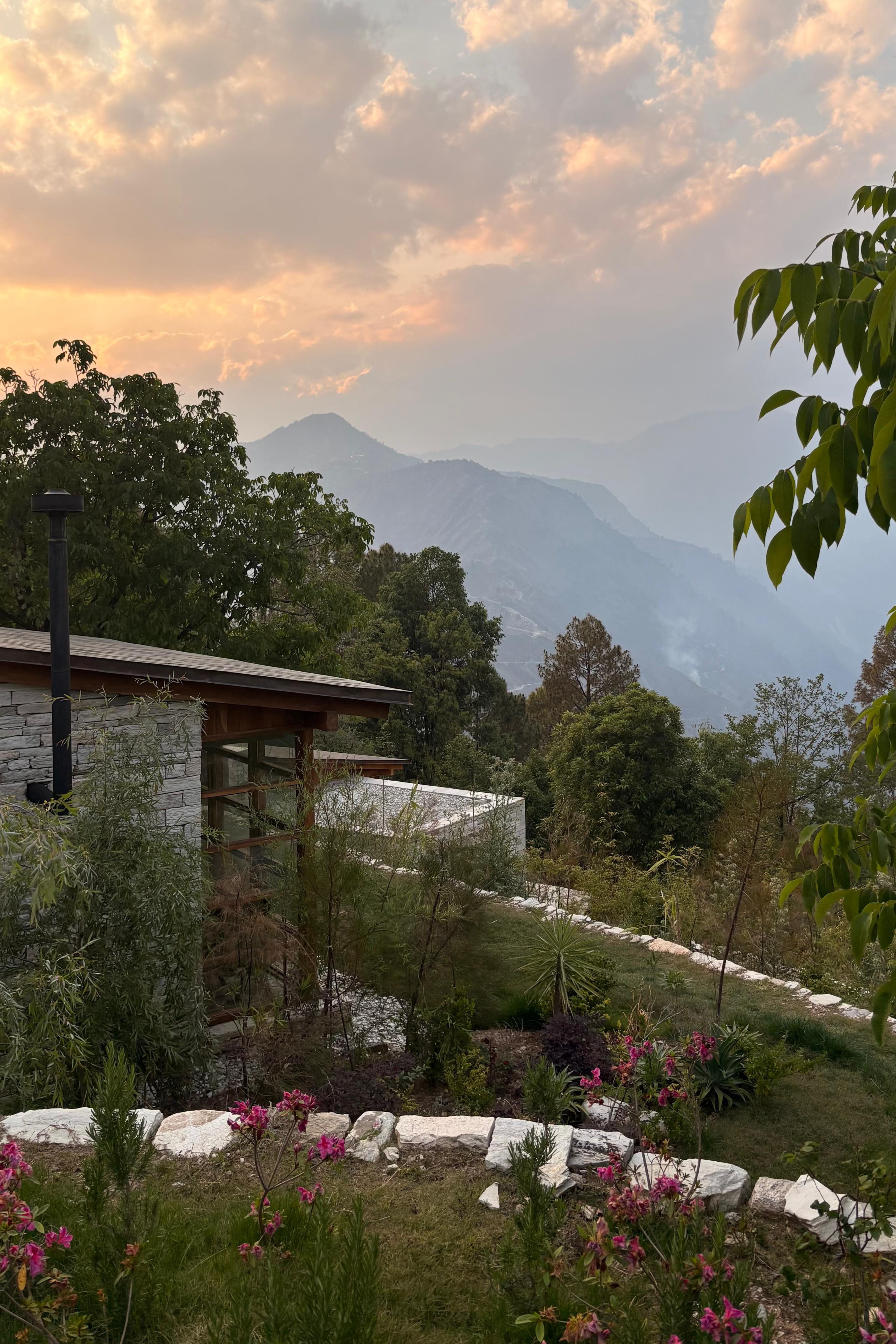
    Founded by Jamshyd Sethna over two decades ago, hospitality group Shakti Himalaya pioneered a form of luxury travel in the Indian Himalayas that was intimate and community-rooted, built around private walking journeys between restored traditional village houses in three distinct regions: Ladakh, Sikkim and Kumaon. Its most celebrated property, Shakti 360 Leti, helped define what mountain hospitality could look like when it opened 16 years ago, before being dismantled stone by stone in March 2024. Those same stones, carried by mule train 2,700 ft up a steep goat path, now form Shakti Prana, the brand’s newest and most ambitious lodge, with breathtaking views of the Nanda Devi and Panchachuli ranges.


    What’s on your doorstep?

    The walking around Shakti Prana is among the finest in the Kumaon region, and the beauty of the Shakti approach is that there is not a prescriptive programme. Each morning, over breakfast, you discuss the day’s route with your private guide – the distance, the terrain, the pace – and the plan is built around you, extending to picnic breakfasts on a bed of pine needles, arranged simply because it was mentioned the evening before. The standout is the Jhandi Dhaar ridgeline climb, a gradual ascent along a narrow pagdandi, the local word for a footpath, that follows the south-eastern ridgeline above the lodge through cedar and pine forests to open ridgetops with sweeping views across the Great Himalayan Range and the Ramganga river valley far below.

    shakti prana review

    Herds of goats, cows and sheep graze the upper slopes, moving unhurriedly across the hillside. For those wanting something more demanding, the Ramganga river walk descends steeply through jungle and village houses to the river itself, though the steep climb back up is best suited to the more agile and fit. The circuit runs from early October to the end of April, the autumn months offering lush scenery and clear skies, with winter bringing the sharpest mountain views.

    Who’s behind the design?

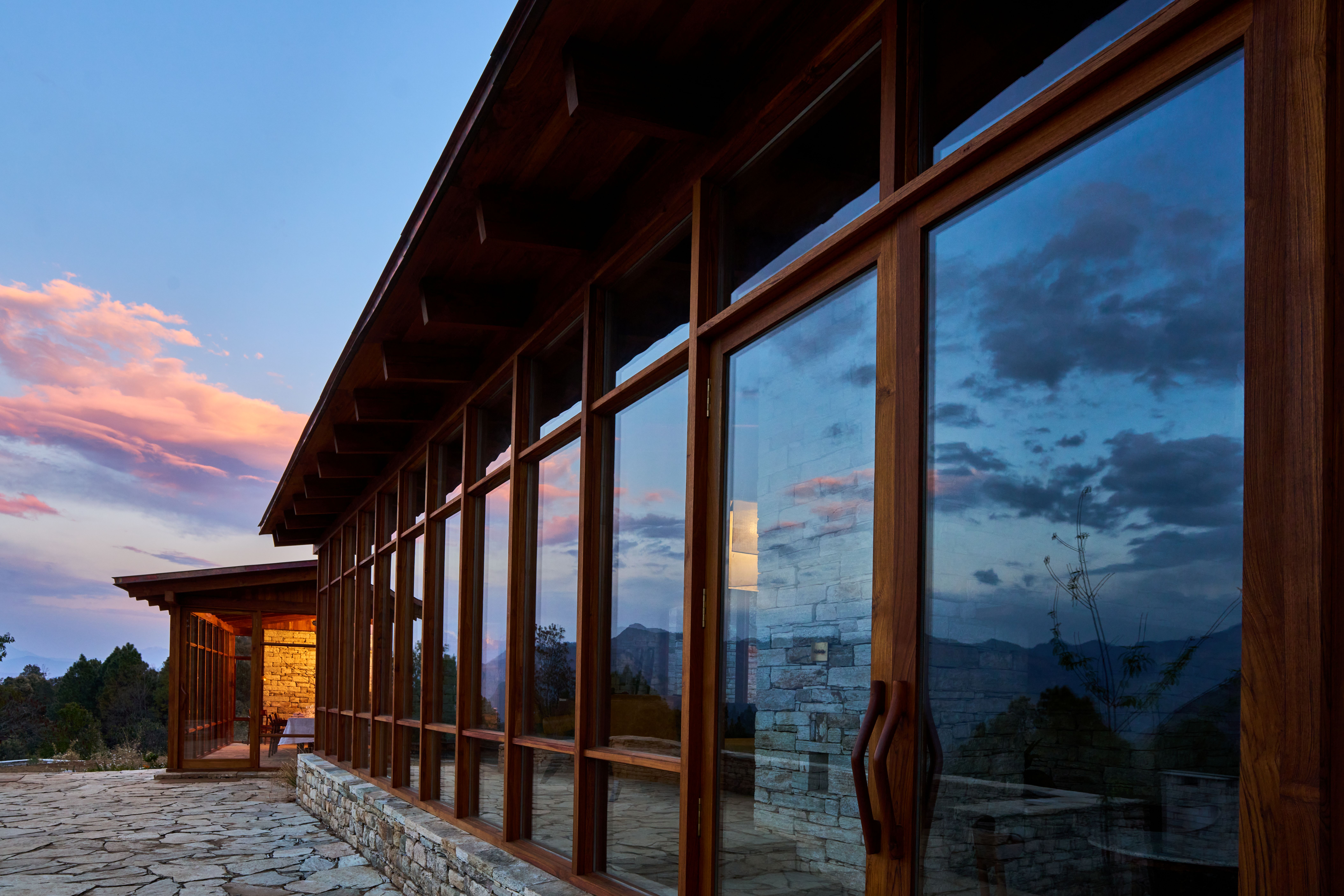
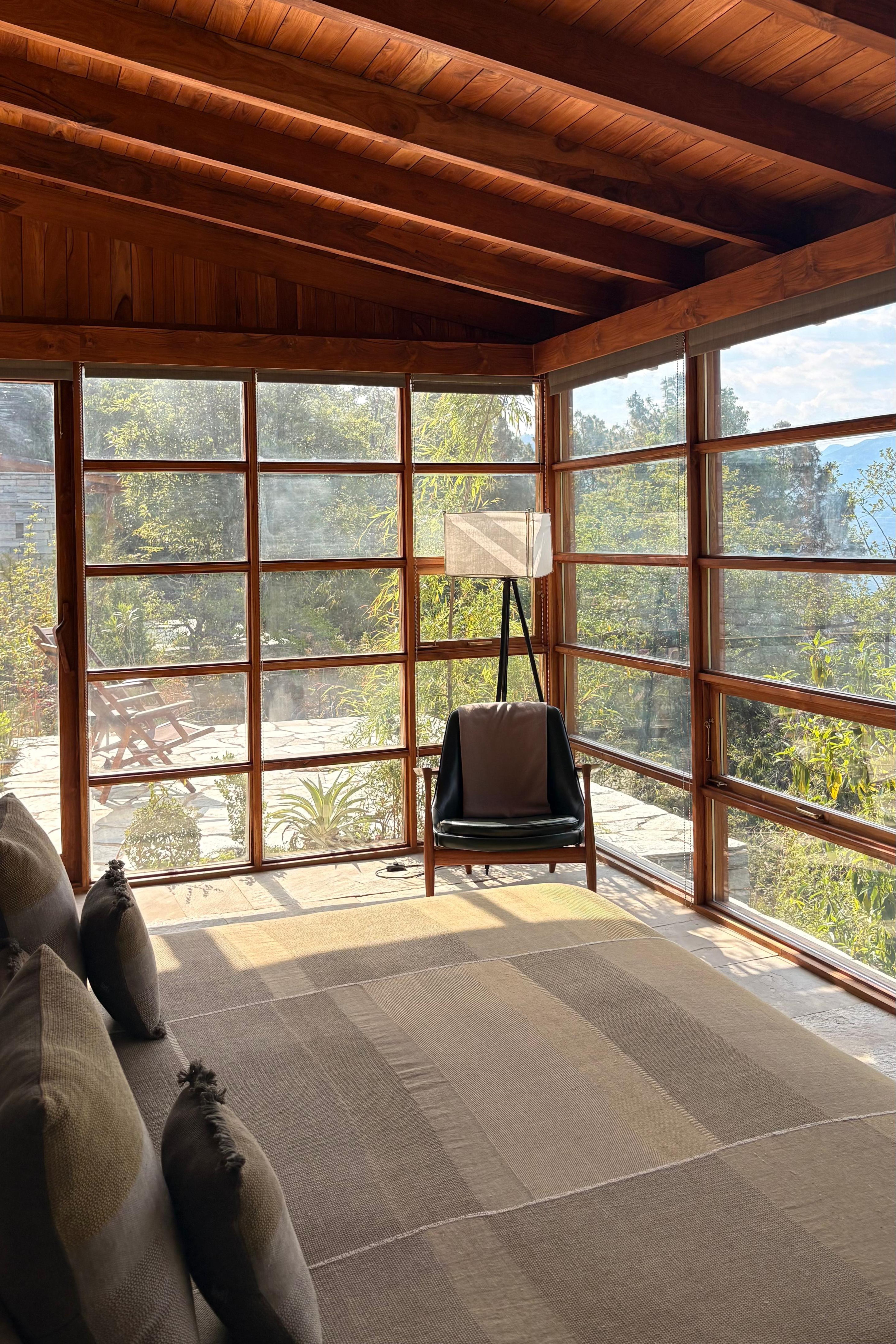
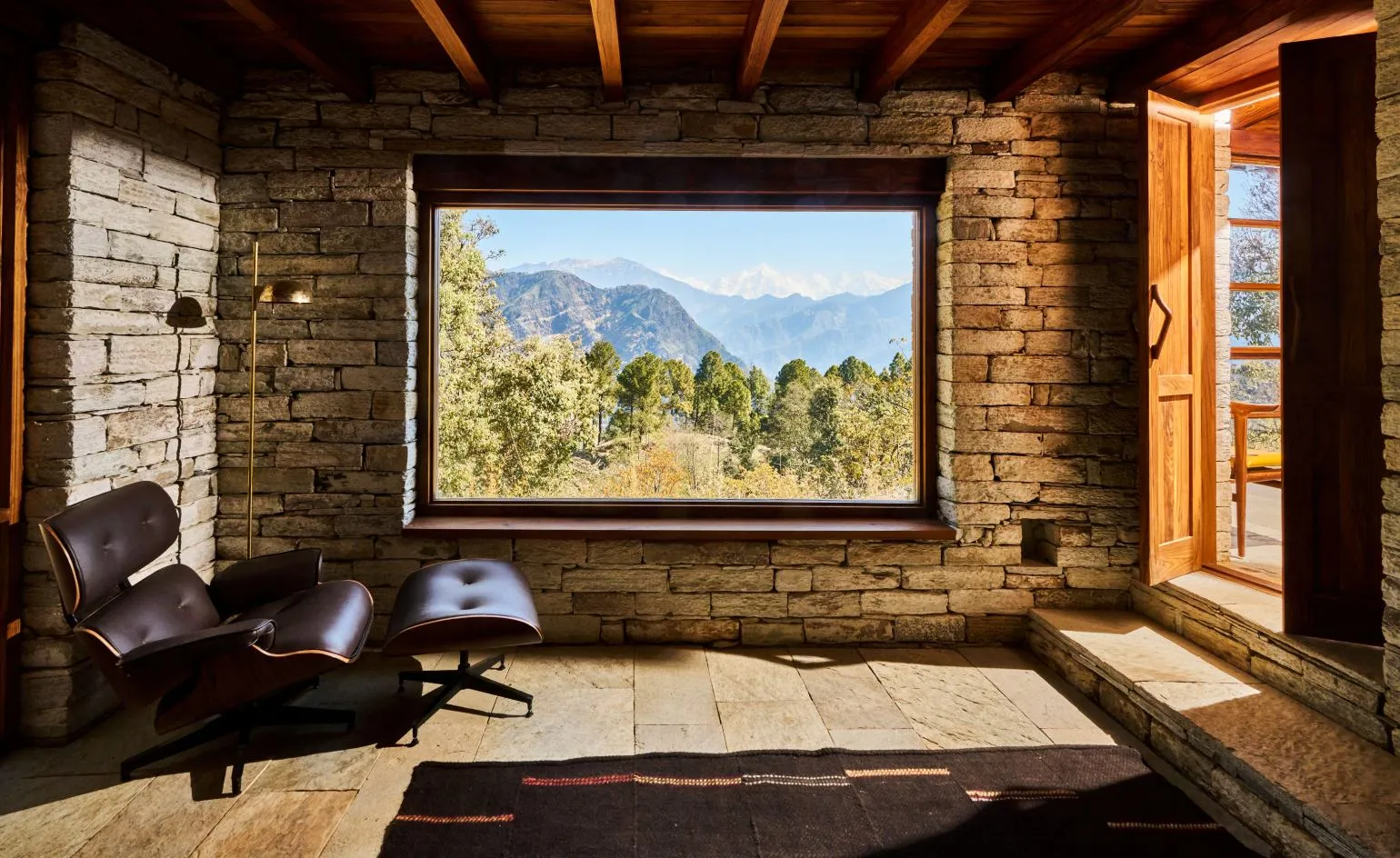
    The lodge’s architecture is the work of Sam Barclay of Case Designs, who had previously served as site manager on the Leti project and brought an intimate understanding of both the logistics in such a remote area and the character of the landscape, resulting in a lodge deeply rooted in its setting. Seven suites – six single-bedroom and one two-bedroom – are arranged across the hillside, built from stone and glass, their large floor-to-ceiling windows framing uninterrupted views of the Nanda Devi and Panchachuli ranges.

    shakti prana review

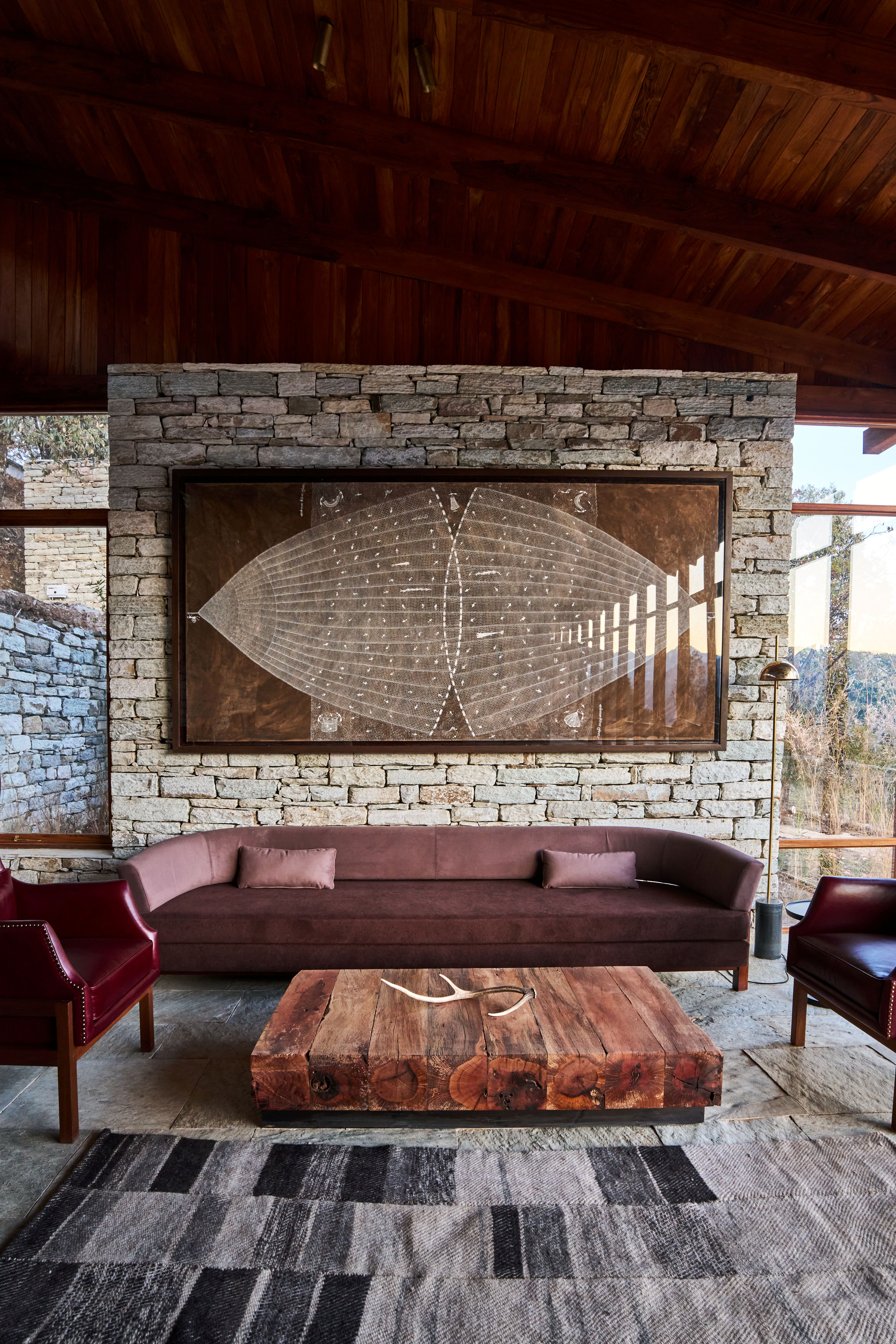
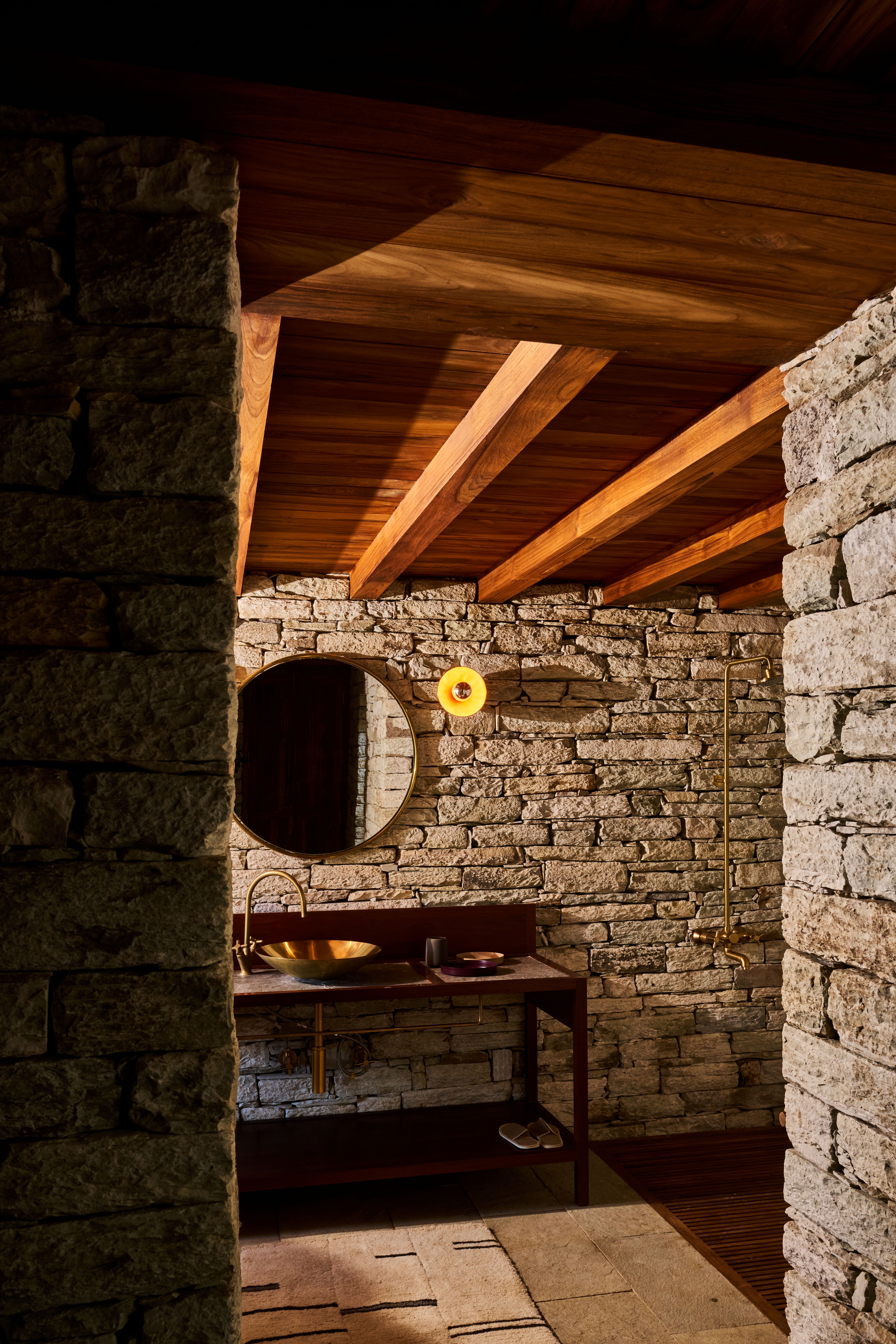
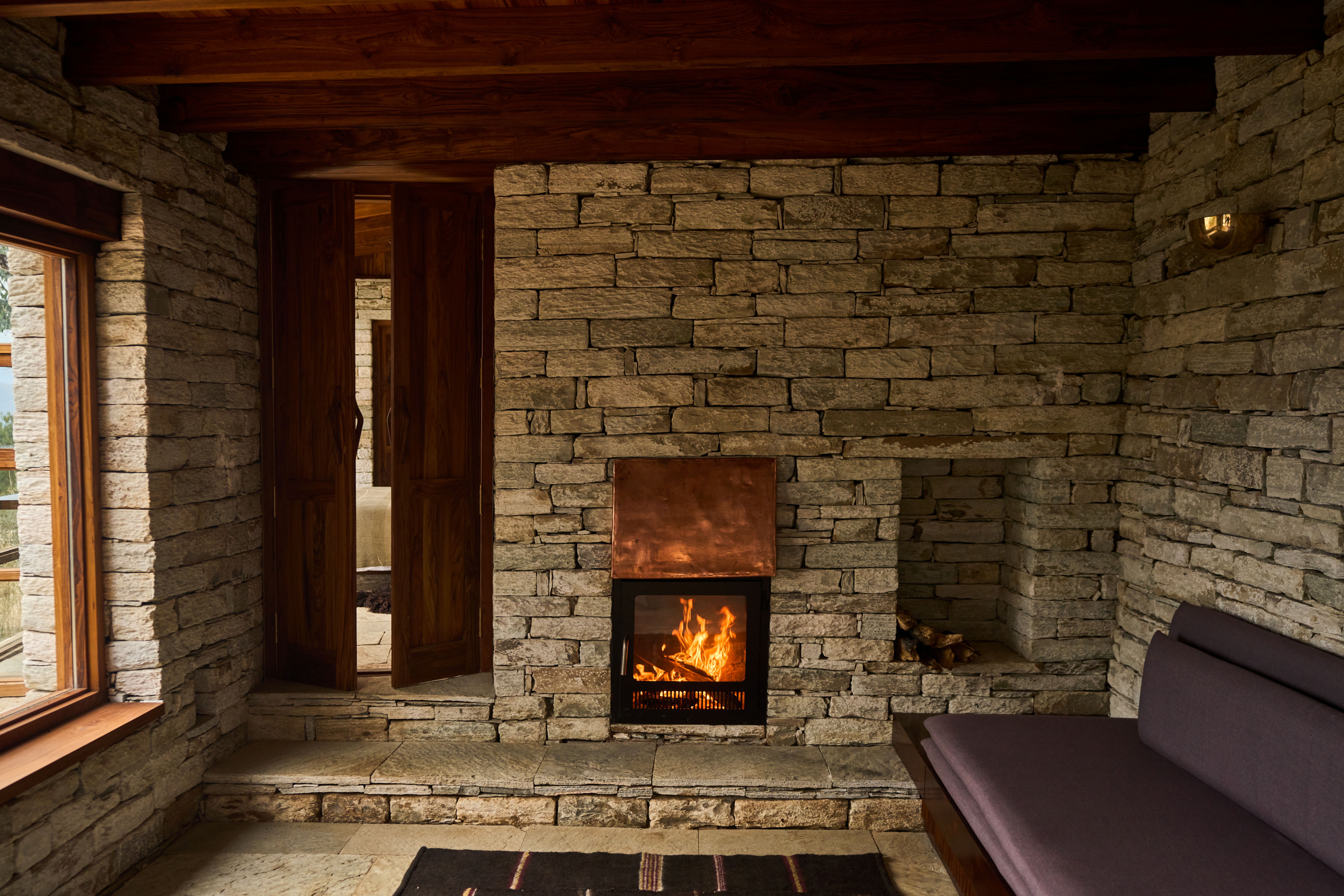
    Defined by stone, timber and copper, the interiors are warm and pared back with considered furnishings and local, textured fabrics. At 7,000 ft, bordering Nepal and Tibet, with solar power providing the entire electricity supply and spring water used for drinking throughout, the lodge operates lightly amid its environment.

    shakti prana review

    The room to book

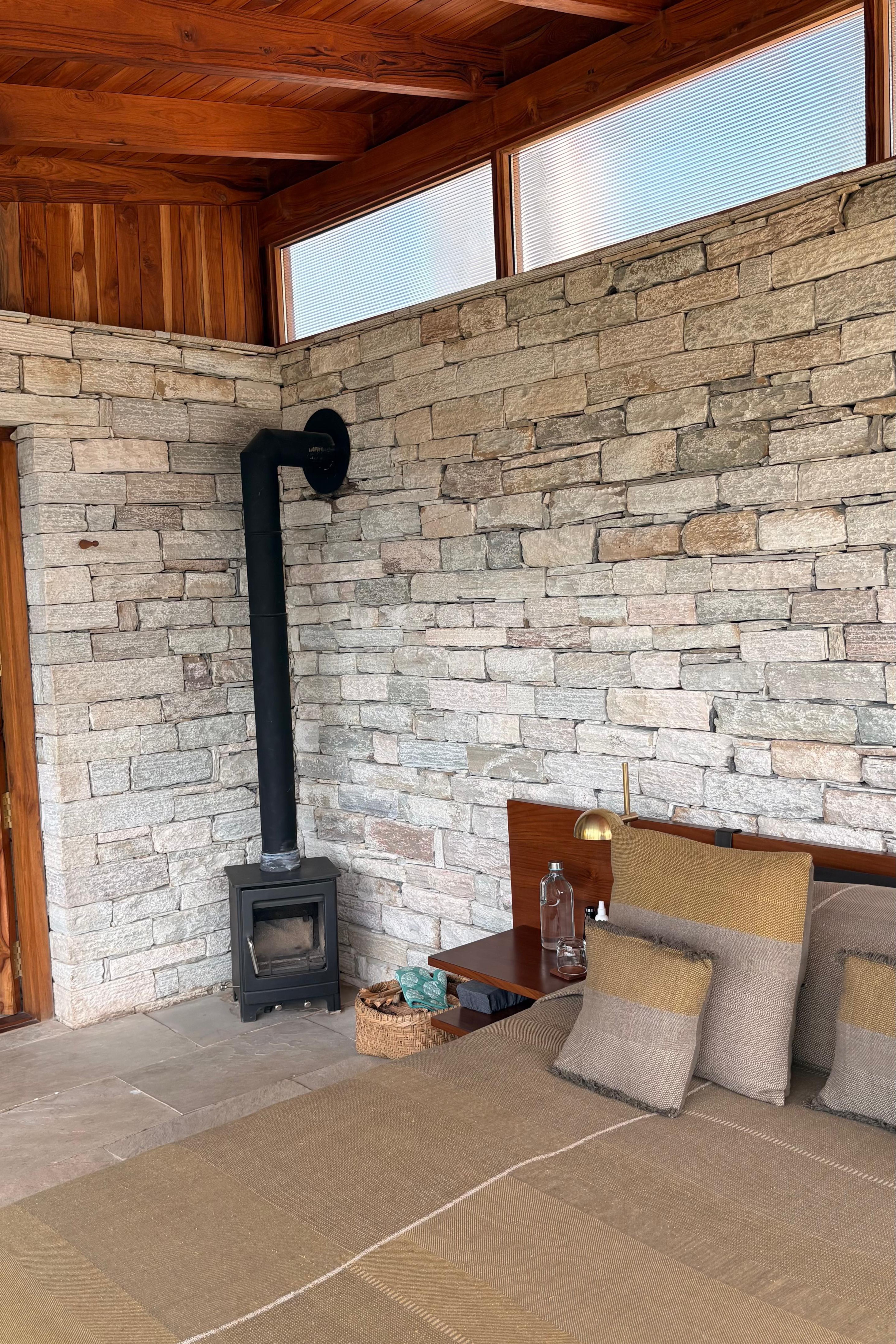
    All suites largely follow the same layout, so the choice comes down to position on the hillside. Each has its own perspective, and opens into a cosy sitting room anchored by a wood-burning fire, with an Eames-style lounge chair and built-in seating that takes in both the flames and the views. From here, the bedroom is positioned to face the mountains directly, while the bathroom sits to the rear, a small atrium flooding it with natural light. The room to book is number five, which sits nudged against the forest, and while all have their own private terrace, here it sits to the side, adding an extra run of windows and considerably more light to the room, a bonus for early risers given that the blinds are sheer.

    shakti prana review
    shakti prana review

    No doubt the best feature of the room is the service button by the bed. Press it and whatever has been arranged with the team arrives within minutes, from morning tea as the sun streams through those windows, to a glass of wine best sipped on the terrace next to the firepit at sunset. The day ends as well as it begins; return to your room after dinner to find the fire lit and a hot water bottle tucked between the sheets.

    shakti prana review

    Staying for drinks and dinner?

    The food at Prana is exceptional. Unlike many remote lodges, from Africa to Argentina, this one doesn’t try too hard. The cooking here – served family-style – is honest, rooted in what the surrounding villages and the lodge’s own herb and vegetable gardens produce. Leading the kitchen is Yeshi Lama, Indian-born with Tibetan heritage, whose cooking spans local Kumaoni dishes, broader Indian favourites like butter chicken, Burmese khowsuey – noodles in a coconut curry broth – and Nepali momos, a reminder of just how fluid the cultural borders are at this altitude.

    shakti prana hero

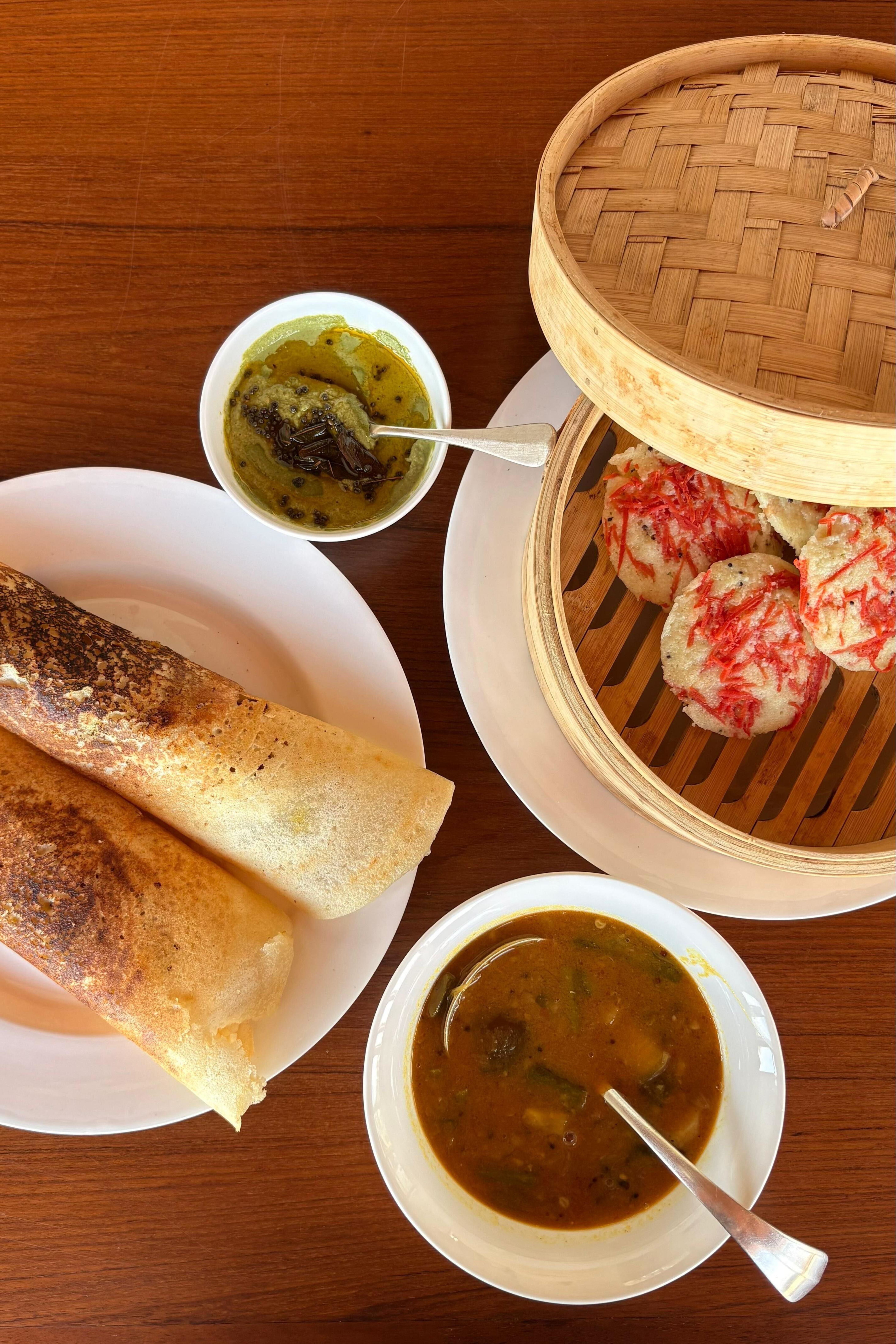
    Breakfast is usually Western, with fresh juice, granola and yogurt, alongside egg dishes cooked to order, but the kitchen is open to requests, among them spiced potato dosas, crispy and freshly made. After a long hike, lunch hits the spot with a good salad, mushroom pie or grilled chicken, while pre-dinner drinks on the terrace or by the living room fire arrive with canapés, from lamb kebabs to samosas, that set the tone for the evening ahead.

    Where to switch off

    At Prana, switching off requires very little effort. The nature, the setting and the peacefulness of the landscape are enough on their own, aided by the hikes, the village walks, and long hours spent reading on your private terrace. In between, you might make use of a yoga space, as well as a sauna and a deep-set bathtub that can be run hot or cold depending on your inclination, both positioned to look out over the hillside. Mobile signal is non-existent at the first village stop and limited at Prana itself, which only adds to the allure.

    shakti prana review

    The verdict

    Shakti Prana is, no doubt, one of the most remarkable properties to open in the Himalaya in years, and the Kumaon circuit that leads to it is among the most genuinely immersive travel experiences in India. The design is considered, the hospitality is warm and deeply personal, and the landscape is breathtaking. The caveat is that none of this comes easily. The journey from Delhi is long, the roads are winding, and the final approach is on foot. For those who see the remoteness as part of what makes an experience meaningful, Shakti Prana exceeds every expectation.

    shakti prana review
  • DDW call for entries is now live

    DDW call for entries is now live

    From 17 to 25 October, Eindhoven transforms into a city of experimentation and new perspectives, where designers present their work to a global audience. Dutch Design Week (DDW) invites designers to set the course of the future. Projects can be submitted by 16 June.

    The Full Spectrum

    With this Call for Entries we call on the full spectrum of the field—from the speculative to the industrial, the research-driven to the hands-on. Beyond designers, DDW welcomes cultural institutions, brands, and entrepreneurs whose projects are driven by the power of design. We are convinced that design thrives on collaboration; we invite designers, the public and professionals to make that future visible together.

    A Global Stage for Design

    From early experiments to breakthrough work, DDW provides a platform for every stage of the creative process. Having welcomed names such as Maarten Baas, Studio Drift, and Formafantasma, the week continues to champion the next generation. We converge a wide range of perspectives, presenting urgent, societal, and unexpected ideas to a global audience.

    Submit your project before 16 June!

    “In a time of social tension, climate crisis and growing inequality, old patterns no longer fit. Sometimes they even hold us back. Design shapes new ways forward. Dutch Design Week is the moment where ideas meet opportunity: a platform for designers, makers and entrepreneurs to show how they shape the future. This call is to help them connect with people who can turn that future into reality.”

    Miriam van der Lubbe, Creative Head Dutch Design Week

  • Beyond the Vase: How “Flowers Forever” at Kunsthal Rotterdam Blooms with Art, Science, and Protest

    Beyond the Vase: How “Flowers Forever” at Kunsthal Rotterdam Blooms with Art, Science, and Protest

    There is a moment, usually in early spring, when the world tilts back toward color. The first crocus pushes through frozen soil, and suddenly we remember: flowers are not just decoration. They are messengers, medicines, myths, and sometimes—weapons.

    Starting March 27, 2026, the Kunsthal Rotterdam invites you to walk inside that idea. Their new exhibition, Flowers Forever, is not a quiet row of botanical prints or a polite tulip retrospective. It is a sprawling, immersive journey through 200 objects pulled from art, design, fashion, and science. For the first time in the Netherlands, this show traces the flower as a living, breathing character in human culture—from ancient altars to Bitcoin-fueled tulips.

    Enter the Calyx: A Cathedral of Dried Blooms

    Before you read a single wall label, you will be swallowed by Calyx, a massive installation by British artist Rebecca Louise Law. Imagine walking into a room draped with 100,000 dried flowers, sewn together into a single, gravity-defying canopy. The air smells like earth and memory. This is not a space for rushing. It is a deliberate pause—a reminder that flowers, even when dead, still hold time still.

    From Myth to Myrtle: Sacred Roots and Greek Echoes

    The first chapters of the exhibition go deep—older than oil painting, older than botanical science. Flowers appear in Greek myths (Narcissus staring into his own reflection) and religious traditions as symbols of enlightenment, purity, or paradise. You’ll see paintings and objects that turn petals into prayers. This section asks a quiet question: Why did we first kneel before flowers?

    Science’s Secret Garden

    Then comes the microscope. Botanical drawings and 18th-century herbaria reveal how closely art and science were once intertwined. But the show does not let history off easily. Artist patricia kaersenhout responds to the famous Metamorphosis insectorum Surinamensium by Maria Sibylla Merian (1705) with her own vibrant tapestries, Of Palimpsests and Erasure. Kaersenhout reminds us that Merian’s groundbreaking knowledge of Surinamese plants and insects came largely from enslaved local and African women—their names mostly erased. In this gallery, a flower becomes a quiet accusation.

    Tulip Mania, Rebooted with Bitcoin

    We all know the story: in 17th-century Holland, a single tulip bulb sold for more than a craftsman’s annual wage. Flowers Forever gives us that history, then twists it. British artist Anna Ridler offers Mosaic Virus (2019)—a video triptych where a tulip’s growth is tied directly to the fluctuating price of Bitcoin. As the cryptocurrency rises and crashes, the flower blooms and falters. It is strange, beautiful, and deeply unsettling. Is a tulip still just a tulip when it trades like a stock?

    The Politics of Petals

    Flowers have also been flags. The exhibition includes political cartoons and protest posters where a rose or a poppy stands for revolution or resistance. But the most powerful work here may be Kapwani Kiwanga’s The Marias. In a luminous yellow room, she presents two paper cutouts of the peacock flower. Its seeds were carried in the hair of enslaved African women—hidden, but potent. The plant could induce abortion, offering a last form of agency and survival. Meanwhile, Victorian women folded paper flowers as a “harmless” pastime. Kiwanga places these two truths side by side. You leave the room changed.

    When Flowers Learn to Move

    Not everything is heavy. The Dutch duo Studio DRIFT presents Meadow—an inverted landscape of mechanical flowers that open and close in slow, breathing rhythms. They are not alive, but they mimic life so tenderly that you might forget. And Miguel Chevalier’s Extra Natural is a fully digital, interactive garden where seeds sprout at your feet as you walk. It is playful, futuristic, and oddly soothing.

    Why You Should Go

    Flowers Forever is not a show about looking at pretty things. It is about why we need them—for ritual, for profit, for science, for survival. You will leave with more than a catalog in your bag. You will notice the dandelion cracking through a sidewalk crack differently. You might even see the cut flowers on your kitchen table as small, silent histories.

    Practical info:
    📅 *27 March – 30 August 2026*
    📍 Kunsthal Rotterdam, Museumpark
    🎟️ Combine your visit with a Spido harbour cruise for a full Rotterdam spring day.


    All images and details courtesy of Kunsthal Rotterdam. The exhibition is co-produced with Kunsthalle München.